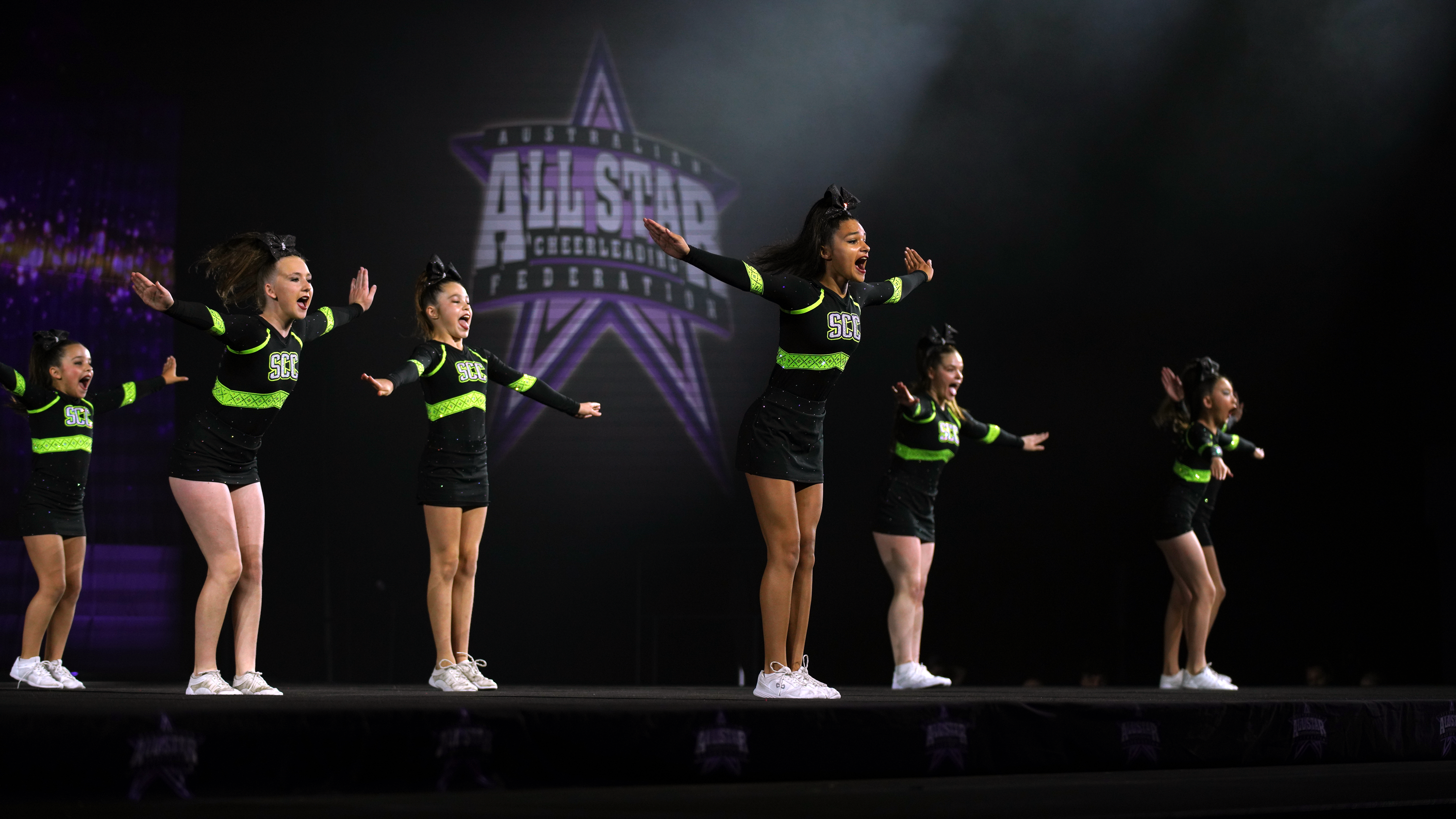
On November 2, 2026, cheerleading celebrates its 128th birthday.
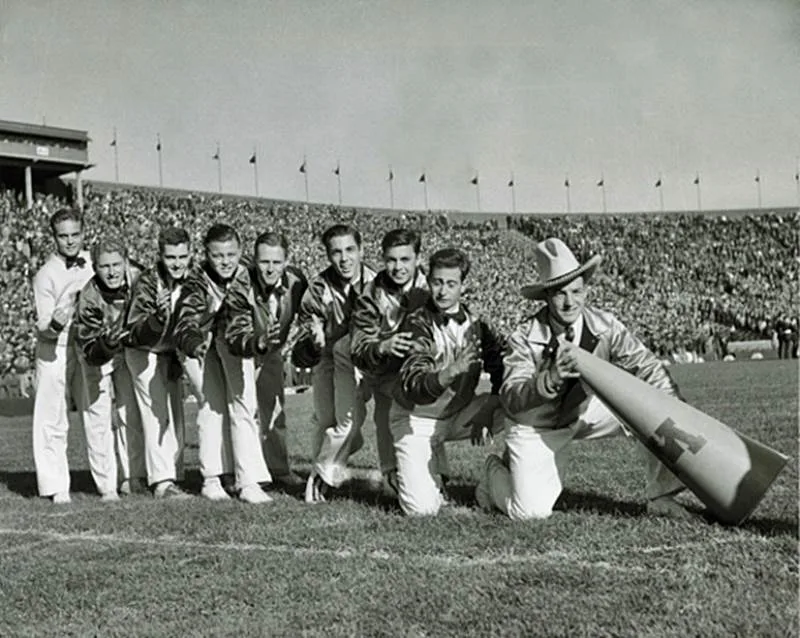
Long before the world championships, packed arenas, television broadcasts and international competitions, there was a college student standing in front of a football crowd in Minnesota.
On November 2, 1898, Johnny Campbell led what is widely recognized as the first organized cheer at the University of Minnesota. His goal was simple: bring the crowd together and rally the football team.
More than a century later, that moment remains the recognized birthplace of organized cheerleading.
Today, cheerleading reaches athletes across continents, with school spirit programs, All Star competitions, collegiate teams and international championships showcasing skills that would have been unimaginable in 1898.
As the sport celebrates 128 years, we're looking back at the people, innovations and milestones that helped shape cheerleading into what it is today.
November 2, 1898: The First Cheerleader
The University of Minnesota football team was struggling through its 1898 season when student Johnny Campbell stepped forward with an idea.
Rather than leaving crowd enthusiasm to chance, Campbell organized a chant designed to bring spectators together in support of the team.
During a game against Northwestern University, he led the crowd in what became one of college athletics' most recognized traditions.
Minnesota won the game 17–6, and Campbell's role as a student cheerleader became part of the university's history.
Organized cheering had existed at American colleges before Campbell, particularly at Princeton in the 1880s. But his November 2 performance became the defining moment associated with the beginning of modern cheerleading.
Today, November 2 is widely celebrated as cheerleading's birthday.
How Cheerleading Changed Over 128 Years
The history of cheerleading includes much more than its beginnings on the sidelines. Over the following decades, new athletes, coaches and organizations transformed how cheerleading was taught, performed and judged.
A Timeline of Cheerleading History
1880s: Organized cheering gains popularity at American colleges, including Princeton University.
November 2, 1898: Johnny Campbell leads an organized cheer at the University of Minnesota, establishing the date recognized as cheerleading's birthday.
1923: Women join cheerleading at the University of Minnesota, marking an important change in participation.
1940s: Women's participation expands significantly during World War II.
1948: Lawrence "Herkie" Herkimer establishes the National Cheerleaders Association (NCA) and organizes his first cheerleading camp.
1950s–1960s: Cheerleading camps, uniforms, pom-poms and standardized instruction help grow the activity nationwide.
1970s: More advanced tumbling, pyramids and partner stunts become part of competitive cheerleading.
1978: A nationally televised collegiate cheerleading championship brings competitive cheerleading to a broader television audience.
1982: Hilda McDaniel establishes the Q94 Rockers in Virginia, an early pioneer of the modern All Star cheerleading model.
1980s–1990s: All Star cheerleading expands as athletes begin training and competing in programs outside traditional schools.
2003: The U.S. All Star Federation (USASF) is established to develop consistent rules, standards and safety practices.
2004: The first Cheerleading Worlds takes place, and the International Cheer Union (ICU) is founded.
2011: STUNT begins its inaugural season, creating a head-to-head competitive format derived from cheerleading.
2016: The International Olympic Committee grants provisional recognition to the ICU.
July 20, 2021: The ICU receives full recognition from the International Olympic Committee.
2025: Cheerleading makes its debut at The World Games in Chengdu, China, through Pom Doubles.
January 2026: The NCAA approves STUNT as a championship sport across all three divisions, with the first NCAA championship planned for 2027.
Looking ahead:
2027: Exceptional Athlete CheerABILITIES and DanceABILITIES divisions are set to compete for Worlds titles. STUNT is also scheduled to hold its inaugural NCAA championship.
2029: Coed Premier cheerleading is set to join the program at The World Games in Karlsruhe, Germany.
The People Who Changed Cheerleading
Few individuals had as significant an influence on modern cheerleading as Lawrence "Herkie" Herkimer.
A former Southern Methodist University cheerleader, Herkimer established NCA in 1948 and introduced organized summer training camps that helped spread cheerleading skills across the United States.
He also helped popularize the Herkie jump, cheerleading uniforms and pom-poms, contributing to the recognizable visual identity of cheerleading.
The decades that followed brought new approaches to choreography, athletic training and competition.
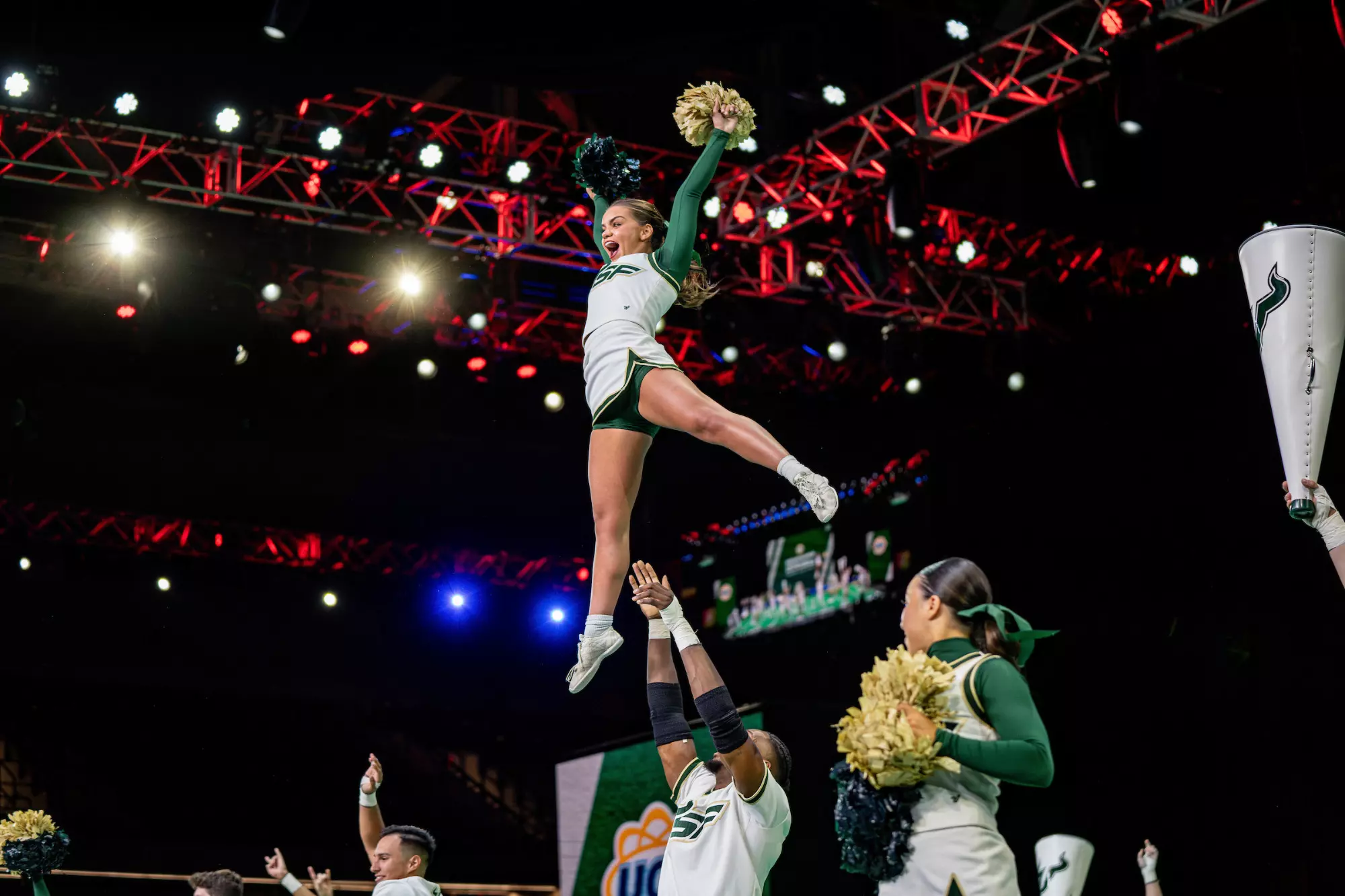
Cheerleading increasingly featured advanced partner stunts, basket tosses, pyramids and tumbling passes. What once centered primarily on leading crowds became an increasingly technical competitive activity.
The growth of All Star cheerleading opened another pathway, allowing athletes to compete for specialized programs outside their schools.
In 2004, the first Cheerleading Worlds brought together 14 teams. More than two decades later, the championship attracts hundreds of teams from around the world.
From American Sidelines to International Competition
Although cheerleading originated in the United States, its influence has expanded far beyond American schools and universities.
The creation of the International Cheer Union in 2004 helped establish a global framework for international cheerleading competition, education and development.
Today, the ICU reports 126 member national federations and approximately 10 million athletes worldwide across cheerleading and performance cheer.
National teams from countries including Finland, Japan, Norway, Germany and Chinese Taipei have become prominent competitors on the international stage.
The ICU World Cheerleading Championships and The Cheerleading Worlds now provide major international stages for elite athletes, while national federations continue developing competitive pathways in their respective countries.
Photo courtesy of USA Cheer.
Cheerleading's Olympic Recognition and World Games Debut
One of cheerleading's most significant milestones came on July 20, 2021, when the International Olympic Committee granted full recognition to the International Cheer Union.
The decision established the ICU as a fully recognized international sports federation and opened the possibility of cheerleading's future inclusion in the Olympic Games.
However, Olympic recognition does not mean cheerleading has been added to the Olympic Games competition program.
The sport took another step forward in August 2025 when cheerleading made its debut at The World Games in Chengdu, China.
The competition featured Pom Doubles, with the United States winning the inaugural gold medal.
In September 2026, the ICU announced another milestone: Coed Premier cheerleading was selected for The World Games 2029 in Karlsruhe, Germany.
The addition will bring elite stunting, pyramids, basket tosses and tumbling to the international multi-sport event.
For athletes who have spent years developing these skills, the announcement represents another opportunity to compete on a global stage.
STUNT Reaches a Historic NCAA Milestone
The continued evolution of cheerleading has also created new opportunities in collegiate athletics.
In January 2026, the NCAA approved STUNT as a championship sport across Divisions I, II and III, with its inaugural NCAA championship scheduled for spring 2027.
Developed by USA Cheer, STUNT takes the technical elements of cheerleading and organizes them into a head-to-head format featuring standardized routines and objective scoring.
The format was designed to expand competitive opportunities for women within collegiate athletic departments.
Its advancement to NCAA championship status represents a major development for athletes pursuing collegiate competition and institutional athletic support.
While traditional collegiate cheerleading and STUNT remain distinct competitive pathways, their shared skill foundations demonstrate how cheerleading continues to create opportunities beyond its original format.
128 Years Later, What's Next for Cheerleading?
The next chapter of cheerleading is already taking shape.
Beginning in 2027, Exceptional Athletes participating on U.S. CheerABILITIES and DanceABILITIES teams will be eligible to compete for titles at The Cheerleading Worlds and The Dance Worlds.
The change brings divisions previously associated with the Exceptional Athlete International Championship into the Worlds championship structure.
Meanwhile, international federations continue expanding participation, collegiate programs are introducing new competitive opportunities, and the sport's highest-level athletes are preparing for larger international stages.
There are still challenges facing cheerleading, including access to opportunities, athlete safety, competitive consistency and recognition within traditional athletic structures.
But the scope of the sport today reflects just how much has changed since 1898.
For some athletes, cheerleading means leading their school through Friday night football games. For others, it's preparing for a national championship, representing their country or competing on a Worlds stage.
These experiences may look different, but they share a history that began with one student and one organized cheer.
On November 2, 2026, cheerleading turns 128.
And with new championships, new opportunities and another generation of athletes taking the floor, its history is still being written.
What's your favorite memory from cheerleading? Whether it was your first competition, a championship win or a moment with your teammates, share it with Cheer Daily as we celebrate 128 years of cheer.
Explore more of the history of cheerleading and follow Cheer Daily for the latest competition news, industry developments and features.