

Jeff Webb (July 1, 1949 – March 19, 2026), the entrepreneur widely credited with transforming competitive cheerleading into a global industry, passed away March 19, 2026 at the age of 76 in Memphis, Tennessee. He was the founder of Varsity Spirit and one of the most influential figures in the history of the sport of cheerleading and dance.
In an email sent to the Varsity Spirit community, company president Bill Seely said Webb suffered a fall while playing pickleball two weeks earlier and sustained a severe head injury. Webb was hospitalized following the accident, and his family later made the decision to remove him from life support.
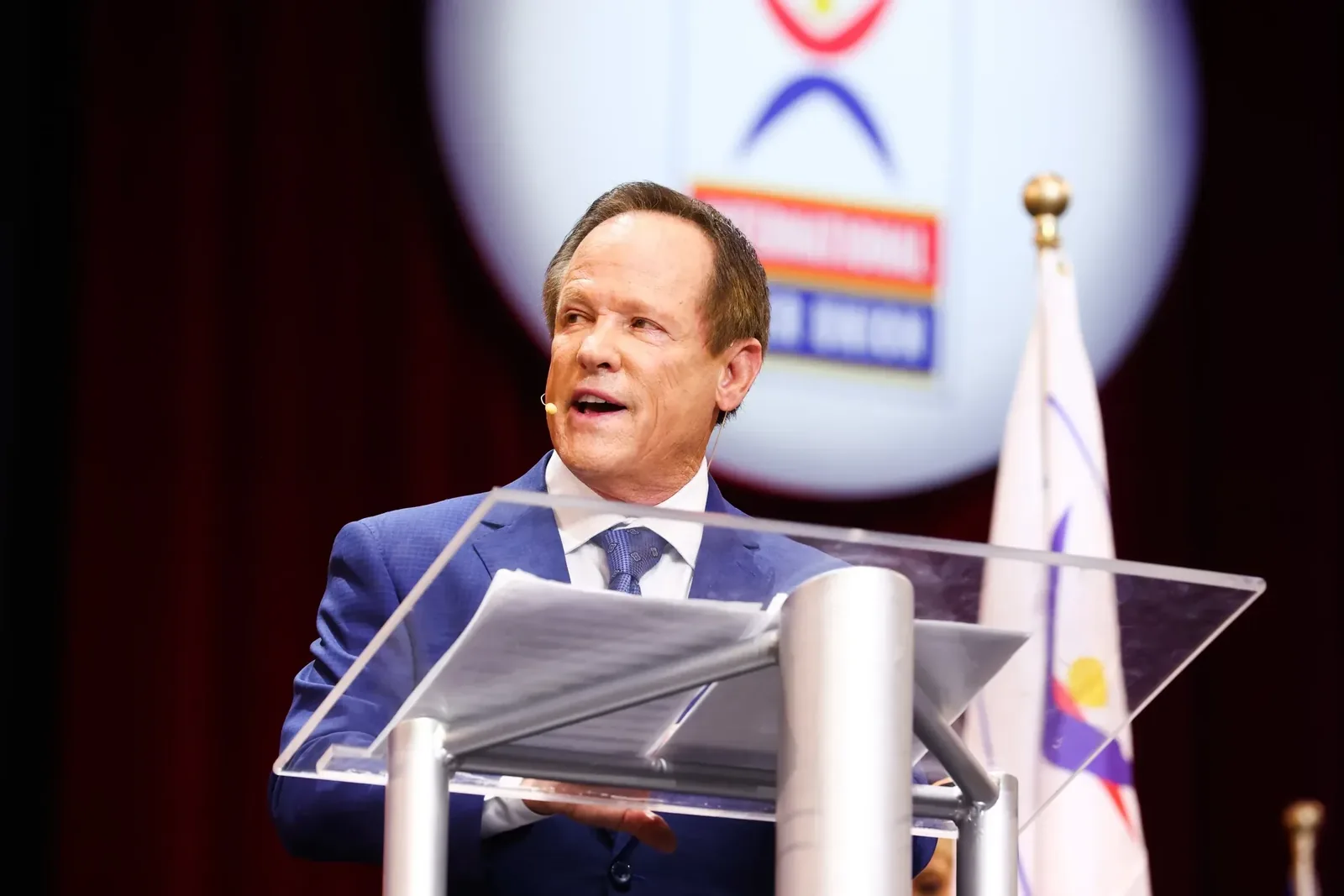
Jeff Webb
1950 – 2026
A Varsity Brands spokesperson released the following statement:
Varsity Brands is saddened by the passing of Jeff Webb, founder of Varsity Spirit and modern cheerleading. Jeff played a pivotal role in shaping cheerleading as it exists today and in building a community that has impacted generations of athletes, coaches, and teams. In recent years, his contributions helped grow the sport both in the United States and globally, including his work with the International Cheer Union, which achieved full recognition by the International Olympic Committee in 2021.
We extend our condolences to Jeff’s family and loved ones, and to the many across the spirit community who were influenced by his work.”
Webb built what would become the largest organization in cheerleading, launching Universal Cheerleaders Association in 1974 and later expanding those efforts into Varsity Spirit. Over the following decades, the organization grew into a global enterprise encompassing competitions, training camps, apparel, and media. His work helped shape the structure of modern competitive cheerleading.
A former University of Oklahoma yell leader, Webb entered the cheer industry working with Lawrence “Herkie” Herkimer and the National Cheerleaders Association before launching his own vision for the sport through UCA. His approach introduced new elements to cheerleading, including partner stunts, pyramids, tumbling, and the use of music in routines. The innovations helped move cheerleading beyond traditional sideline roles and toward a year-round competitive sport.