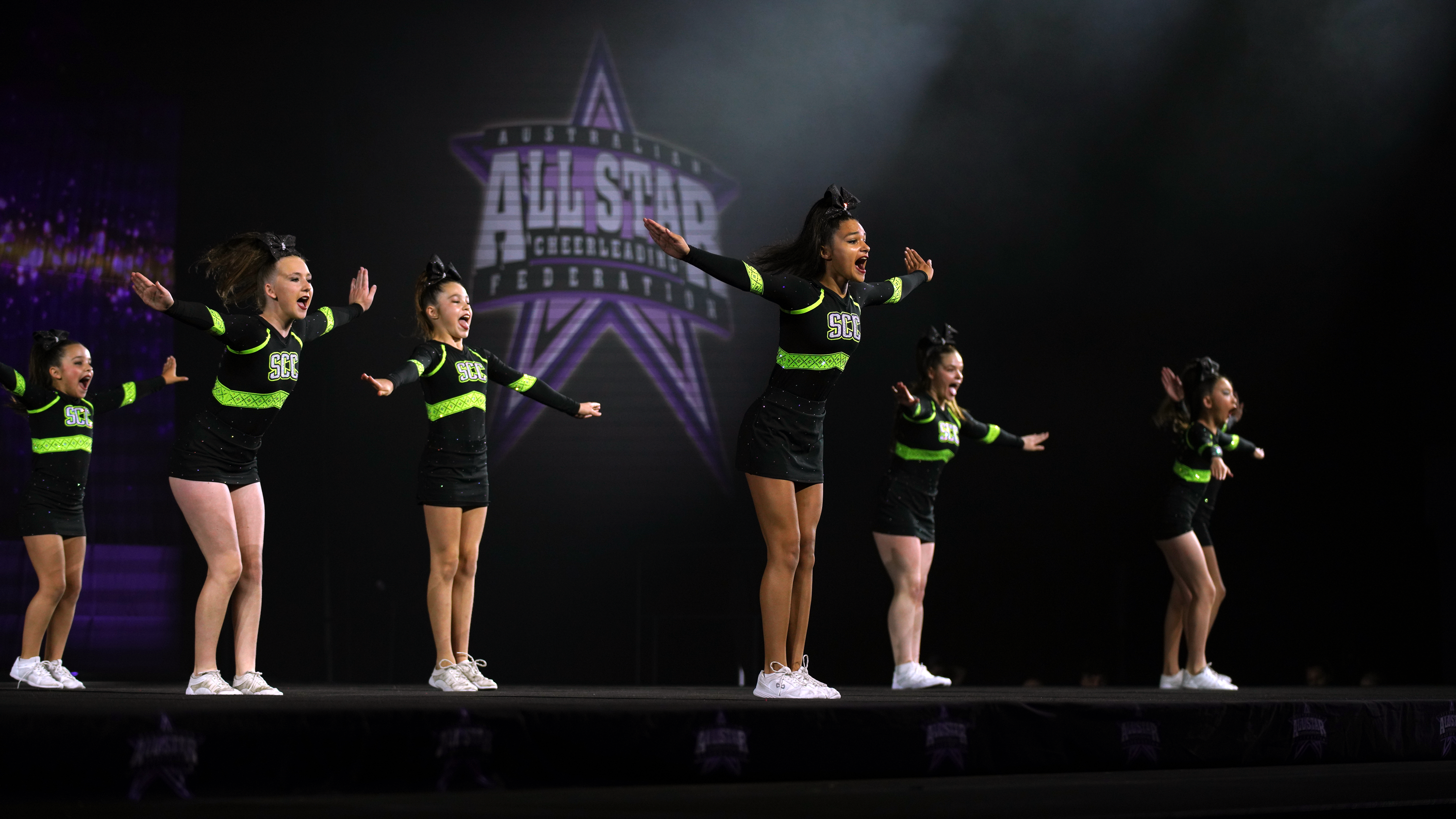


In a small East Tennessee town, what started as a TikTok filmed before cheer practice turned into a criminal case that’s raising national questions about school discipline, digital threats, and the role of law enforcement in handling student content online.
One afternoon in September, a group of middle school cheerleaders at South Greene Middle School filmed a 45-second TikTok while waiting for practice. The video shows one girl walking into a classroom holding a phone, saying “Put your hands up,” while another student flips the lights. Several girls dramatically fall to the ground, pretending to be shot, and lie motionless on desks and the floor. A final caption reads, “To be continued…….”
The next day, police showed up at the school.
By that afternoon, the Greene County Sheriff’s Department charged all 16 girls—members of the cheer team—with disorderly conduct, a misdemeanor offense. Lt. Teddy Lawing defended the decision publicly, saying the students needed to be “held accountable through the court system” and that this type of activity was “not warranted.” The sheriff’s office did not respond to media questions afterward.
The girls, between the ages of 11 and 13, were stunned.
Penny Jackson’s granddaughter, an 11-year-old who played dead in the video, said she had followed the instructions of her teammates. “She didn’t even know what the video was meant to be,” Jackson said. “Then the police came.”
The case unfolded just days after a real shooting at Apalachee High School in Georgia, intensifying law enforcement’s sensitivity to anything appearing to reference school violence. Lawing said his officers had investigated about a dozen social media threats in the prior week—most impossible to trace. But this one, with visible faces, was clear-cut.
As fear of school shootings continues to escalate across the U.S., so has the tendency of schools and police to treat even ambiguous or satirical online content as criminal. The rise of AI, viral videos, and anonymous sharing has blurred the line between serious threat and digital misjudgment.
In Tennessee and elsewhere, students have faced criminal charges and expulsion for reposting content they didn’t create—or for jokes that adults later deemed threatening.
One such case occurred last fall in Lincoln County. A 16-year-old high schooler—identified only as D.C.—downloaded an AI app and created a video in which a classmate appeared to threaten a shooting and claim he had a bomb in his backpack. The video was meant as a private joke between friends. But once it began circulating on Snapchat, divorced from its context, the school called in law enforcement.
Though D.C. immediately apologized, deleted the video, and voluntarily went to the police, he was expelled and charged with a felony for threatening mass violence. His school only realized the video was AI-generated after spotting a watermark in the corner.
The district refused to discuss the case despite a signed waiver from D.C.’s father, Alan, a local teacher. Alan watched his son spiral into depression. “He didn’t sleep. He kept rereading years of old messages, terrified someone would twist them.”