Cheerleading is often the subject of debate—dismissed by some as mere sideline entertainment, while fiercely defended by those who understand the immense athleticism and dedication it demands. The misconceptions couldn’t be more wrong.
Far from the outdated pom-pom-waving image, cheerleading today is a high-intensity, physically demanding sport that pushes athletes past their limits. From elite tumbling to Olympic aspirations, it takes precision, power, and relentless work.
Here are 10 reasons cheerleading stands out as one of the toughest sports in the world:
Extensive Gymnastics and Tumbling Experience
Cheerleading demands a high level of gymnastics and tumbling ability. Most high school cheer teams require at least a back handspring for consideration. Gymnasts often transition to cheerleading, incorporating their tumbling, jumps, and precision.
Mastering skills like back handsprings, back tucks, and fulls can take years. The training regimen for these skills is rigorous, involving countless hours in the gym perfecting technique and building the necessary strength and flexibility. Cheerleaders often start tumbling at a young age and continue to refine their skills throughout their careers. The physical demands are immense, and the risk of injury is ever-present, making the mastery of these skills a true testament to a cheerleader’s dedication and athleticism.
Comparatively Low Injury Rates with Significant Improvements
While cheerleading has been known for its high injury rates, recent data shows a significant decrease in injuries due to improved safety measures and training protocols. According to the National Center for Catastrophic Sport Injury Research (NCCSIR), cheerleading has experienced a major reduction in injuries since 2010. In 2019-2020, there were zero reported catastrophic injuries, and only three in the past five years. This is comparable to other girls’ high school sports and lower than football, baseball, wrestling, girls’ soccer, and girls’ track & field.
These improvements underscore the effectiveness of enhanced safety regulations and better coaching, making cheerleading a safer sport while still demanding high levels of physical performance.
Intense Time Commitment
Cheerleaders often practice five days a week, with games and competitions on weekends. Practices can last up to four hours, and summer cheer camps consume even more time. This intense schedule leaves little room for a social life, highlighting the commitment required.
The time commitment also extends beyond regular practices. Cheerleaders often spend additional hours conditioning, attending tumbling classes, and perfecting their skills outside of team practice. Competitions require travel and often involve entire weekends dedicated to performing, supporting other teams, and participating in team-building activities. Balancing schoolwork, cheerleading, and personal life is a challenging feat, demonstrating the dedication cheerleaders must have to succeed in the sport.
Significant Financial Investment
Competitive cheerleading is a significant financial commitment, with reported costs ranging as high as $15,000 per year. This includes expenses for the season, competitions, uniforms, warm-ups, bows, jackets, and shoes. Travel to prestigious competitions in places like Walt Disney World and traveling to over 10 cheerleading competitions per year adds to the financial burden.
Families often have to budget carefully to afford the costs associated with competitive cheerleading. Fundraising efforts are common, with teams organizing events and seeking sponsorships to help cover expenses. Despite the financial challenges, many families willingly invest in cheerleading because of the benefits it offers, such as building teamwork, discipline, and a strong work ethic.
Rigorous Competitions
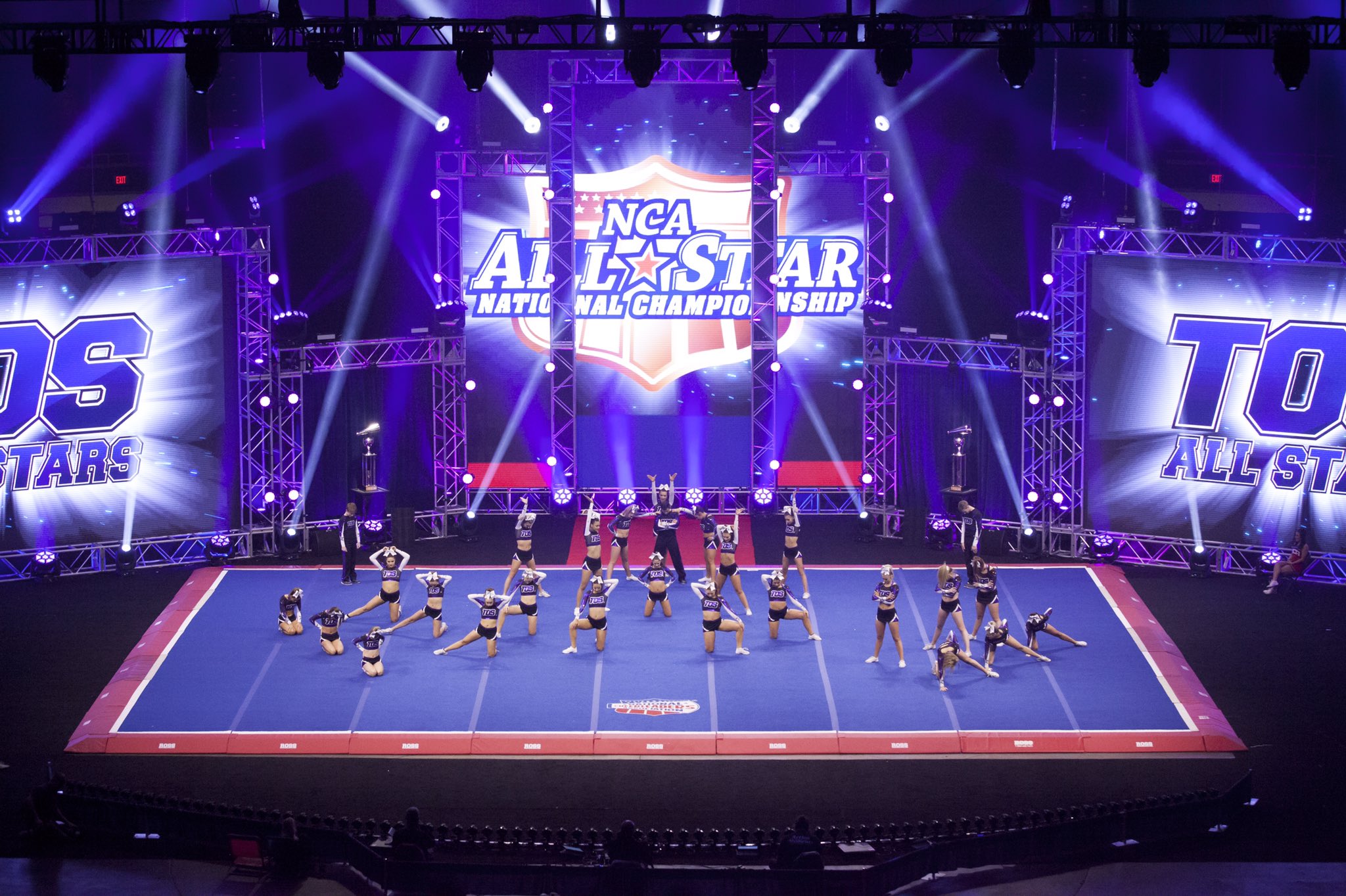
Competitions are the highlight for many cheerleaders. Teams spend countless hours perfecting routines to ensure flawless performances. Competitions are highly competitive, with hundreds or thousands of teams vying for first place. Every mistake is scrutinized, making precision crucial.
The competitive atmosphere is intense, with teams performing complex routines that include stunts, tumbling, jumps, and dance. Judges evaluate each aspect of the performance, looking for synchronization, technique, and overall execution. The pressure to perform perfectly is immense, and the emotional highs and lows of competition season are a significant part of a cheerleader’s experience. Winning a competition is a testament to a team’s hard work, coordination, and perseverance.
Demanding Physical Conditioning
Cheerleading requires exceptional strength, cardio, and conditioning. Practices include push-ups, sit-ups, stretches, and running to build endurance. During a routine, cheerleaders perform high-intensity activities without breaks, requiring immense stamina. Missing a tumbling pass or failing a stunt can mean the difference between winning and losing.
Conditioning is a year-round commitment for cheerleaders. Off-season training focuses on building strength and endurance, while in-season practices are designed to maintain peak physical fitness. The physical demands of cheerleading routines, which last for 2 minutes and 30 seconds, are comparable to those of high-intensity interval training. Cheerleaders must be in top physical condition to perform at their best and minimize the risk of injury.
Advanced Stunts Require Skill, Strength, and Flexibility
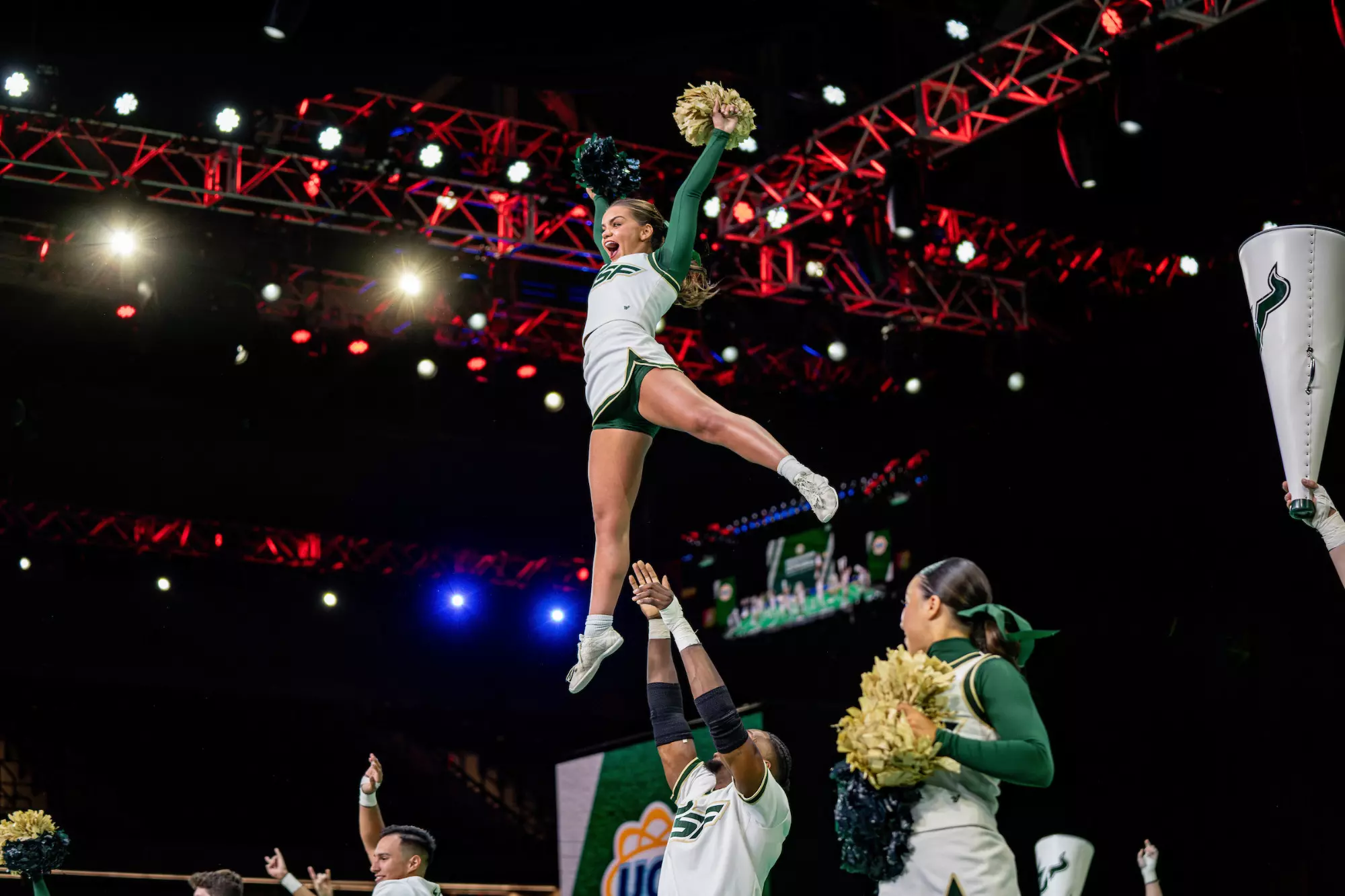
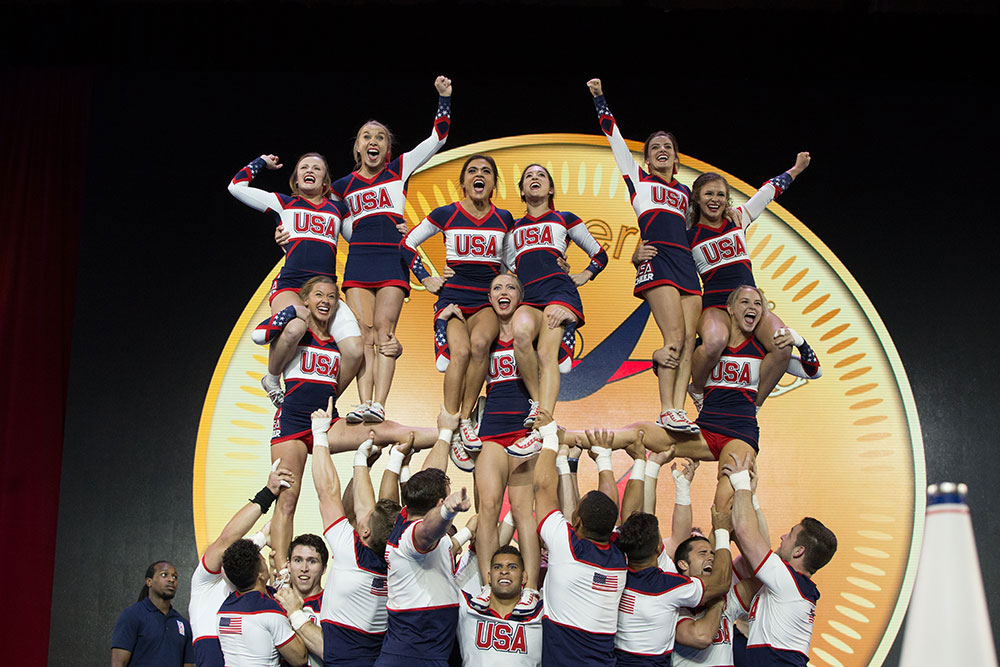
Cheerleading stunts demand incredible skill, strength, and flexibility. Partner stunting, for example, requires flyers to be perfectly balanced and bases to have substantial upper body strength. Even a slight mistake can lead to serious injuries, underscoring the precision needed.
Stunts are choreographed to showcase the athleticism and creativity of the team. Flyers perform intricate maneuvers while being lifted and thrown by bases, who must remain stable and coordinated. Flexibility training is essential for flyers to execute one-legged stunts like heel stretches and scorpions. The trust and communication between team members are paramount, as any lapse in focus can result in injury. The complexity of stunts continues to evolve, with teams constantly pushing the boundaries of what is possible.
Dance Experience and Precision
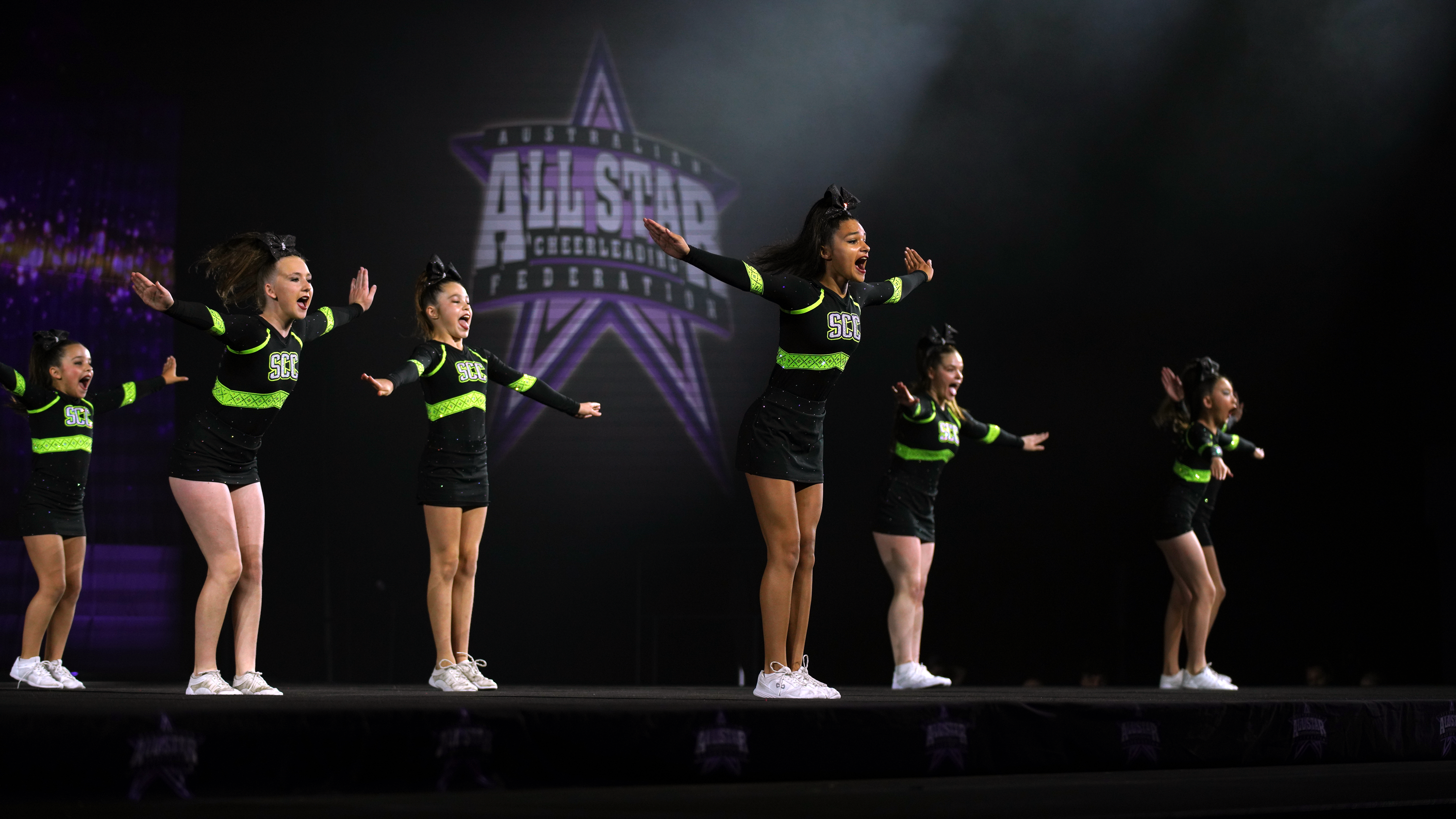
Cheer dance integrates elements of various dance styles, requiring natural ability and extensive practice. Every motion must be synchronized, and teams spend hours perfecting their routines to ensure uniformity. This level of detail is essential for competitive success.
Dance routines in cheerleading require precise timing and coordination. Teams practice counts meticulously to ensure that every movement is executed in perfect unison. The incorporation of jumps, spins, and floor work adds to the complexity, demanding a high level of skill and athleticism. The visual appeal of a well-synchronized dance routine is a key component of a successful performance.
Emerging as a Top Competitor: World Games and Olympic Aspirations
In a landmark decision at the Annual General Meeting in Esslingen, Germany, the International Cheer Union (ICU) has been officially welcomed into The World Games family. This vote marks a significant recognition of cheerleading as a sport, alongside the inclusion of flag football, showcasing the growing diversity of The World Games.
The decision followed meticulous reviews of the applications by the IWGA members, culminating in a vote that officially recognized cheerleading and flag football as part of the upcoming Chengdu 2025 sports program. While Flag Football returns after its invitational appearance at Birmingham in 2022, the upcoming event will mark cheerleading’s inaugural competition at this level, spotlighting its dynamic blend of dance, acrobatics, and spirited teamwork.
The World Games (TWG) is a multi-sport event held every four years, featuring around 35 sports in its program. Cheerleading, fully recognized by the International Olympic Committee (IOC) in 2021, has seen exponential growth, governed globally by the ICU. The sport combines elements of dance and acrobatics with spirited chants to boost team morale and entertain spectators. Its acceptance into The World Games is a testament to the dedication of millions of cheer athletes, coaches, officials, national federations, and enthusiasts worldwide.
ICU President Jeff Webb highlighted the significance of this milestone, stating, “ICU’s acceptance into the IWGA family as full members is an incredible achievement for the global cheer community. We are committed to delivering an incredible event in Chengdu and in future editions of The World Games for years to come.”
This recognition not only marks cheerleading’s progress but also fuels aspirations for its inclusion in future Olympic Games, potentially as soon as the 2032 Brisbane Olympics. This journey reflects the sport’s evolution and the dedication of its athletes and advocates.
Overcoming Lack of Respect
Cheerleaders often face stereotypes and a lack of respect. Despite the rigorous training and dedication, many people don’t recognize cheerleading as a sport. This social pressure adds to the stress of an already demanding activity. The portrayal of cheerleaders in media doesn’t help, often reinforcing false stereotypes.
Cheerleaders work tirelessly to change public perception and gain the recognition they deserve. The cheerleading community supports each other, celebrating achievements and advocating for the sport. Overcoming societal misconceptions requires resilience and a strong sense of identity, qualities that cheerleaders embody through their dedication and passion for the sport.
Understanding the Two Categories of Cheerleading
Cheerleading can be categorized into two distinct types: spirit squads and competitive cheerleading. Each category has unique characteristics, demands, and roles within the sport. As cheerleading continues to grow exponentially worldwide, the lines between these categories are increasingly blurring, with competition elements bleeding into traditional spirit squads.
Spirit Squads
Spirit squads are the traditional form of cheerleading, where students cheer for school sports teams. While their routines can be physically demanding, these cheerleaders typically do not compete. Their primary role is to support their school’s teams by leading chants, performing during halftime, and promoting school spirit.