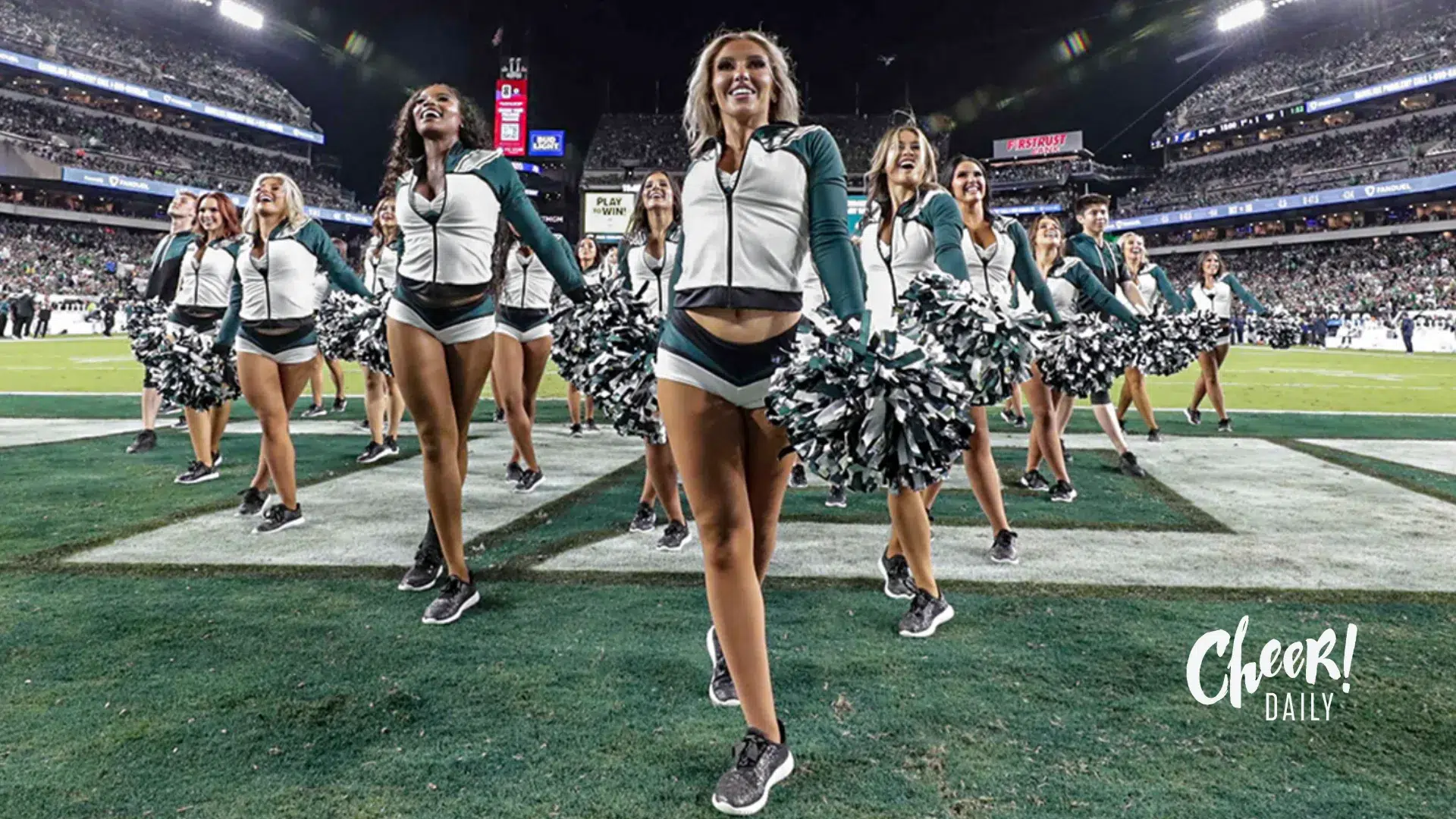
In the sports world, few roles carry more visibility—and less compensation—than professional cheerleading. And in 2025, even as the industry celebrates progress like the Dallas Cowboys Cheerleaders’ landmark 400% raise and the launch of a brand-new professional league, a tough truth remains: mascots are still getting paid more.
A lot more.
Cheerleaders performing full-out routines at NFL games are consistently making less than a mascot bouncing around in a foam suit. And for athletes giving everything, that disparity is impossible to ignore.
The Pro Cheer League: A Step, But Not a Leap
When Varsity Spirit announced the launch of the Pro Cheer League, the news was met with excitement across the industry. For the first time, athletes aged 18 and up would have a professional cheer platform beyond college and All Star—a league designed for competition, crowd engagement, and yes, actual pay.
The league recently held tryouts at the four initial locations, and are set to debut in early 2026 with teams in Dallas, Atlanta, Miami, and San Diego. Kelly Greene with Varsity Spirit said “Pro Cheer League athletes will receive a comprehensive compensation package that includes uniforms, practice wear, shoes, event participation, travel expenses, and an hourly pay rate of approximately $40 per hour per athlete.” Axios reports athletes can expect $13,000 – $15,000 seasonally which includes their hourly rate and any end of season bonuses.
It’s a move in the right direction, and as the league gains notoriety the hope is for those compensation packages to increase in kind.
The Reality of Cheer Pay
Most professional cheerleaders in the NFL still operate as independent contractors. Many are paid per game, often between $150 and $500, with additional rates for appearances hovering around $50 to $75. Some dancers on high-profile squads may earn more through branded content and media exposure, but even those totals rarely break $25,000 per year.
Unlike mascots, cheerleaders often receive no benefits. No health coverage. No guaranteed off-season income. No union protections. Their role is athletic, artistic, and promotional—but rarely treated with the seriousness of a salaried position.
Even with the Dallas Cowboys Cheerleaders’ recent raise, most squads remain on outdated models of compensation. The public applauds their skill, precision, and camera-ready charisma. But behind the scenes, many are still fighting to be paid fairly for their work. All while holding down 1, 2, sometimes 3 additional jobs to make ends meet.
Meanwhile, the Mascots Cash In
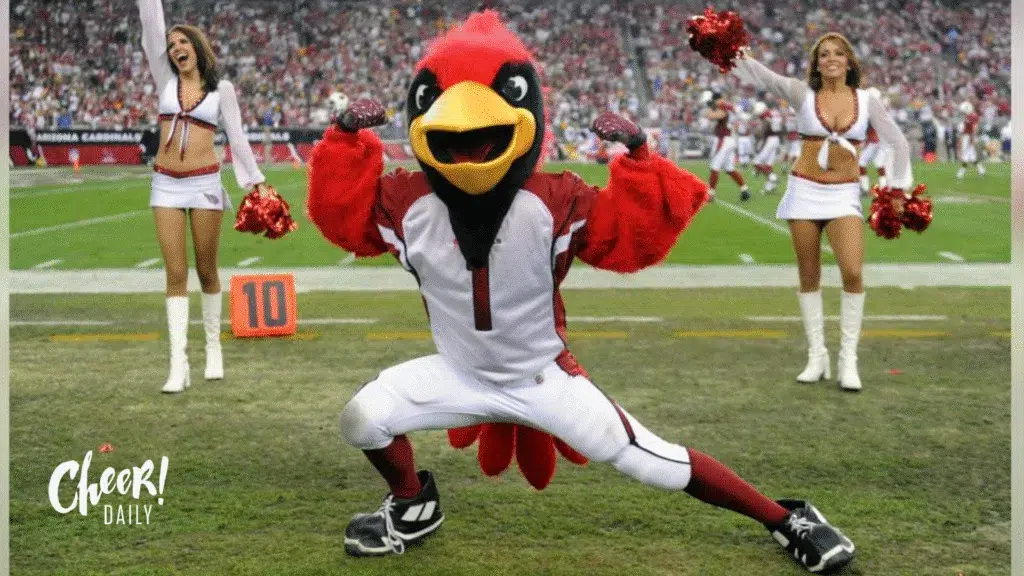
NFL mascots, by contrast, are often full-time employees with salaries ranging from $60,000 to $65,000 per year. Some, like Dallas’ “Rowdy” or New England’s “Pat Patriot,” are rumored to make even more, with additional perks for appearances, branding campaigns, and endorsements.
Mascots don’t just work game day, they’re part of the team’s business engine. They represent the brand in schools, hospitals, parades, and media. They’re mascots, but also seen as vital to the brands marketing.
Cheerleaders, despite doing a very similar work load, and arguably more, have yet to be acknowledged for the same institutional value.
A Systemic Gap
So why is there such a wide compensation gap?
It comes down to how mascots and cheerleaders are viewed within the sports business structure. Mascots are protected assets. Their identities are trademarked. Their suits are part of the merchandise strategy. Their roles are baked into the franchise’s operating budget.
Cheerleaders are not trademarked. Their work is often seen as voluntary or symbolic, even when their routines are choreographed at a professional level and their public appearances match or exceed those of the mascot.
Their labor has historically been dismissed as a passion project, something the women should feel grateful to do and not something they can expect to be compensated fairly for. This isn’t just a wage gap. It’s a recognition gap.
What’s Next for Cheer Pay
The Pro Cheer League offers a new foundation. But the proposed seasonal contract isn’t a sustainable income for anyone. If cheerleading is to grow, it needs deeper structural support: employee status, health benefits, retirement options, and compensation that reflects the hours, intensity, and performance expectations.
Some have suggested unionization. Others argue for broader NIL (name, image, likeness) deals, or better brand sponsorships at the team level. All agree that visibility is not the problem—value is.
And that’s where the industry must shift.
The Bottom Line
Cheerleaders aren’t asking for more than they’re worth. They’re asking for what the role actually demands.
Mascots are important. But so are the athletes hitting elite stunts, hyping the crowd, and putting skills on display in front of tens of thousands. The conversation isn’t about taking something away from one role to give it to another. It’s about leveling the ground between them.
The moment is here. The platform is ready. And the sport is watching.
Have thoughts on cheer compensation? Email chelsie@cheermeadia.com or DM us at @cheerdailyIG to add your voice.
For more reporting on pay, power, and performance in cheer visit cheerdaily.net.