ATLANTA — After years of litigation and thousands of pages of court filings, the legal disputes involving the U.S. All Star Federation, Open Championship Series and Deep South Spirit are apparently over.
The lawsuits will no longer consume the organizations’ time and money. What remains unclear is whether the settlement changes anything for the rest of the All Star cheerleading industry.
The organizations announced that all pending legal disputes had been resolved “to the satisfaction of the parties.” The terms are confidential, and the joint statement did not explain what was resolved, what will change or how the agreement will affect the industry.
USASF supports its members and athletes. Open Championship Series creates competitive opportunities. Deep South Spirit produces events for athletes, coaches and families. All three organizations want the sport to grow.
We knew all of that before the statement was issued.
What we still do not know is whether the resolution addresses the policies and business practices at the center of the litigation.
The dispute was about more than competing events. It raised questions about who could participate in different competition systems, whether event producers could support multiple end-of-season championships and whether the rules governing the industry restricted competition.
Open Championship Series and Deep South accused USASF, Varsity Spirit and other organizations of using exclusionary rules and participating in an unlawful group boycott intended to limit competition in the All Star event market. The defendants disputed those allegations, and no jury decided whether they were true.
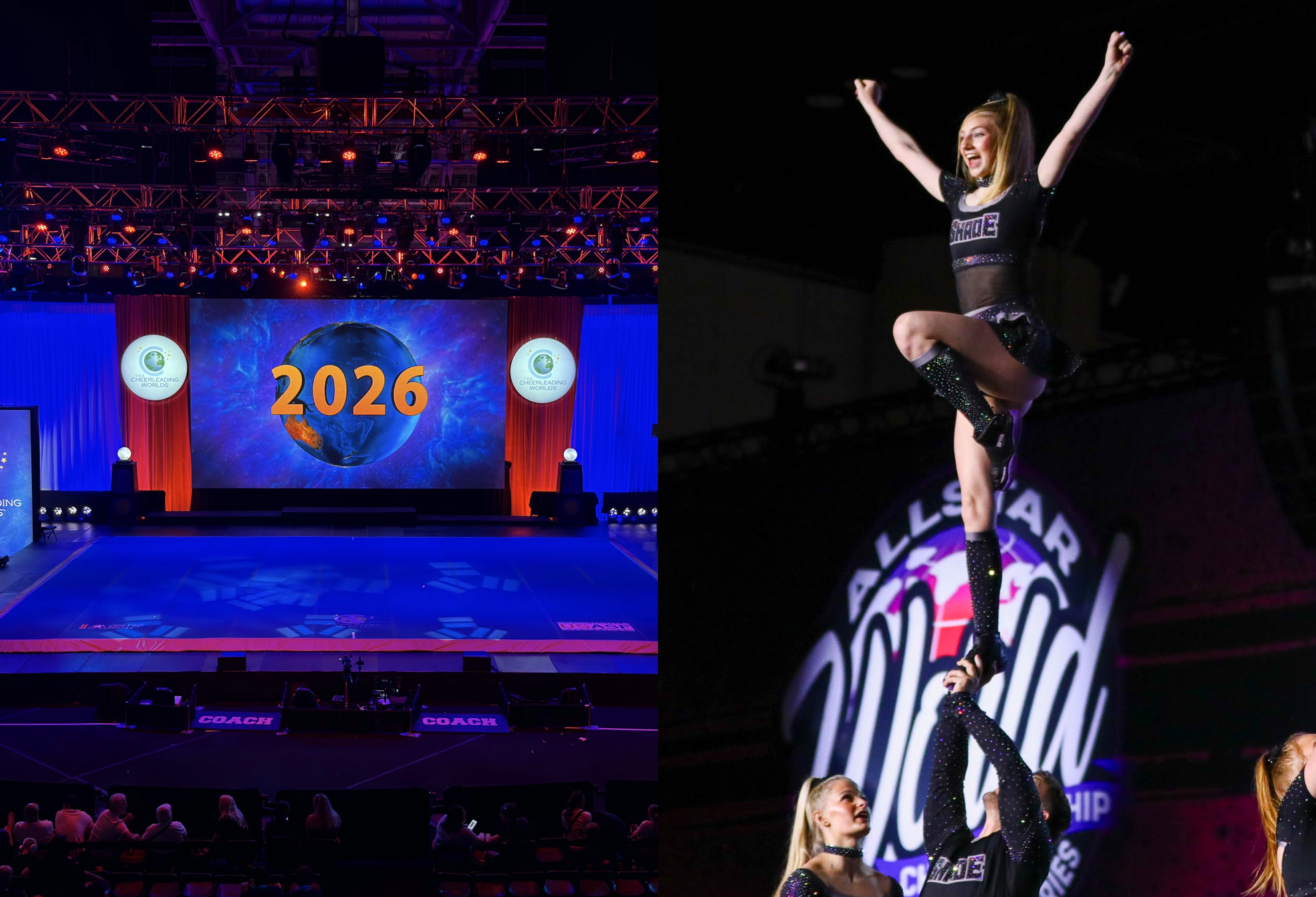
In a separate case, USASF challenged Open Cheer’s use of the names “Allstar World Championship” and “Allstar Worlds.” USASF argued that those names infringed upon its claimed rights to “The Cheerleading Worlds” and “Worlds.”
That case raised another important question: Who, if anyone, has the right to control the language used to identify a world championship in cheerleading?
The parties may have answered that question privately. They have not answered it for the industry.
A confidential settlement is not an admission of wrongdoing by either side. Settlements are often business decisions made to avoid additional expense, uncertainty and litigation.
In practical terms, this resolution appears to mean that both organizations have agreed to coexist.
USASF will continue operating The Cheerleading Worlds. Open Championship Series will continue operating the Allstar World Championship. Both organizations will continue serving many of the same gyms, coaches, athletes and families.
Deep South Spirit and The Open Championship Series said they have always believed there is a place in the industry for “innovation, choice, and different paths to success.”
“This sport is bigger than any one organization,” the organizations said in a statement provided to Cheer Daily. “It belongs to the athletes, coaches, families, event producers, and passionate people who have built it.”
I agree with that position.
All Star cheerleading should support different organizations, competition formats and championship opportunities. Competition between event producers can lead to better events and more choices for gyms.
But coexistence does not mean the industry is less divided.
If the policies and restrictions disputed in these lawsuits remain unchanged, the settlement may do little more than allow the current divide to continue without the legal fees.
USASF and Open Championship Series can operate at the same time while still maintaining separate systems, separate relationships and competing expectations for the gyms and event producers that work with them.
That is why the industry needs more information.
The public does not need every financial term in the settlement. The organizations have legitimate reasons to keep negotiated payments and other business details private.
The rules affecting members and participants are different.
Were USASF membership restrictions changed? Can event producers award bids to competing end-of-season championships without consequences? Can gyms participate in both systems? Were trademark boundaries established? Did either organization agree to change its policies, terminology or business practices?
These questions directly affect how event producers build their schedules, how gyms select competitions and which opportunities are available to athletes.
If USASF policies have changed, its members should be told. If Open Championship Series accepted limitations involving its championship, qualifying network or branding, its event producers and participating gyms should be told.
If nothing changed and the parties simply agreed to end the litigation, that should also be clear.
The joint statement discussed athletes, growth, fair play and the future of All Star. It did not explain how the organizations will operate alongside one another or whether the rules that contributed to the dispute will remain in place.
For years, the industry watched the litigation develop through allegations, internal communications, expert testimony and arguments about competition within All Star cheerleading.
Now the parties have announced that they are satisfied with the result. The rest of the industry has not been given enough information to determine what that result means.
Ending the lawsuits eliminates the expense of continued litigation. It does not, by itself, resolve the division within the industry.
That depends on what actually changes.
If nothing changes, the confidential settlement does not bring the industry together. It simply allows the divide to continue without attorneys and court filings documenting it.
The lawsuits are over.
The questions that produced them remain unanswered.