


Cheerleading competitions bring together thousands of athletes, coaches, and families in packed venues, all focused on delivering their best performances. But what happens when something unexpected disrupts the event?
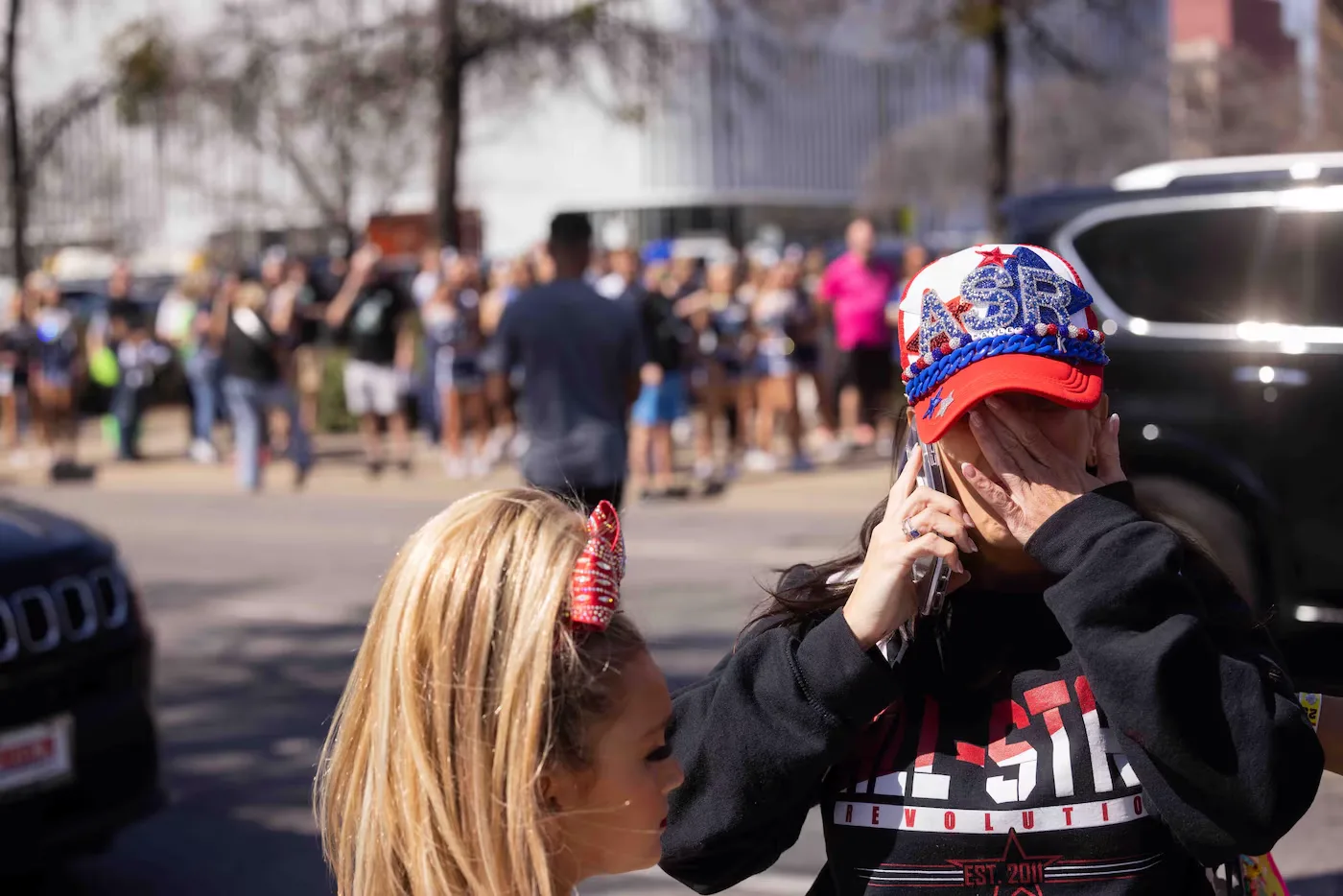
At NCA All-Star Nationals (ASN) this year, a fight between parents quickly escalated into mass panic. Without clear communication or preparation, fear spread, causing confusion, separation, and uncertainty about what to do next.
While this incident was not a real emergency, it revealed a critical issue: most cheer gyms, event organizers, and attendees do not have structured emergency response plans.
From active shooter situations to fires, severe weather, and medical crises, large-scale cheer events need preparedness strategies in place to ensure safety. For gyms, coaches, and parents, understanding how to respond in a crisis can make all the difference.
Why Emergency Planning Matters at Cheer Events
Large venues and crowded spaces can become dangerous if an emergency occurs and panic takes over. Many people default to fight, flight, or freeze, which can lead to:
- Stampedes and injuries from crowd surges.
- Separation of athletes and parents with no clear reunification plan.
- Misinformation spreading quickly, causing unnecessary panic.
At NCA ASN, false reports of an active shooter circulated within minutes. Fear escalated faster than facts. When people don’t have a plan, they rely on instinct—and in an emergency, instincts aren’t always the safest option.
Cheer gyms operate as small businesses, and just like any other business, they need crisis management plans for both in-gym emergencies and travel to competitions. Without structured safety protocols, a single unexpected event can disrupt an entire season—or worse.
What Cheer Gyms Can Do to Improve Emergency Preparedness
1. Develop a Venue-Specific Emergency Plan
Every competition venue is different. Gym owners and coaches should:
- Identify multiple exits and evacuation routes.
- Locate designated shelter-in-place areas for severe weather or threats.
- Find the nearest medical station and AED locations.
- Establish a clear crisis communication plan with athletes and parents.
2. Set a Reunification Point
One of the biggest challenges in an emergency is reuniting with athletes, parents, and teammates.
- Before the event, choose a designated meet-up location outside the venue.
- Ensure all athletes know the location and how to get there safely.
- Walk through the reunification plan before the competition begins.
3. Train Athletes on Emergency Situations
Just like schools practice fire drills, gyms should prepare athletes for competition emergencies.
- Teach athletes what to do if separated from the team.
- Explain how to identify the closest exit.
- Reinforce when to run, when to shelter, and how to stay calm.
4. Implement a Crisis Communication Plan
Communication during an emergency can prevent unnecessary panic.