The Most Overlooked Skill in Cheerleading—And Why It Matters

6 Min Read
Advertisement

Whether it’s for evaluations or tryouts, as athletes prepare their skills to max out their potential, one key area is often overlooked: motion placement. Motion placement can mean different things depending on your team and program. But if you plan to cheer in college, sharp motion placement is a skill that needs to be developed and executed with precision.

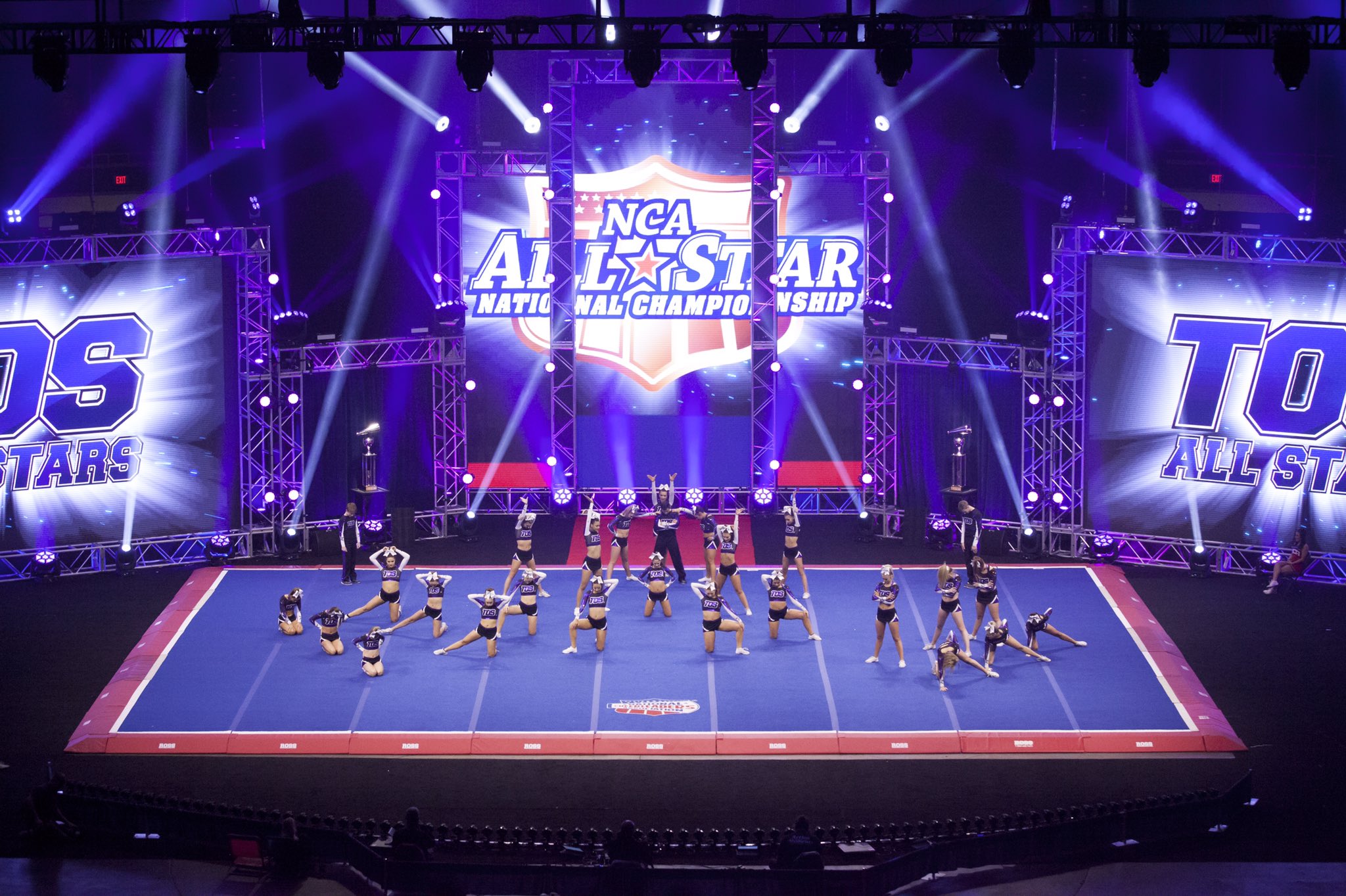
All Star and school cheer use motion placement differently. In All Star cheer, motions appear throughout routines—most noticeably during stunt transitions and dance sections. As All Star cheer has evolved to include more complex skills to reach higher difficulty levels, some routines have fewer motion sections. Motions are most prominent in dance segments, where they enhance choreography, theme, and performance quality.

School cheer uses motions differently. Motions, along with signs, poms, and flags, are tools for leading the crowd during games. In competitive school cheer, sharp motion placement is scored; crowd leading is treated as a competitive skill and contributes to the overall evaluation.

If you intend to cheer in college, strong motion placement and crowd-leading ability are essential.

Advertisement

“A fundamental component of cheerleading is engaging and leading others in cheers and chants,” says Matthew Ortega, Head Coach and Program Director at the University of Wyoming. “We do this visually with signs, poms, and especially motions.”

“Crowd engagement and interaction is a major component of college cheerleading,” says Darryl Lyons, Head Cheer Coach/Spirit Coordinator at Georgia State University. “Motions are life in college! About 75% of what we do at games, rallies, and events includes motions. Sharpness is crucial because when people in the crowd see the cheer team on the sideline, the first thing they notice is how sharp and synchronized the motions are. Correct execution adds to the excitement and overall appeal of the team. If you catch the crowd’s eye with clean motion placement—on the ground or in the air on a stunt—you can pump them up for your team.”

In college cheer, most requirements focus on game day skills. The better a team is at crowd leading, the more impactful they are during games. Lyons explains the importance of crowd leading at major events like the NCAA Basketball Tournament: “The spirit team and the crowd can make a huge difference in the outcome of a game. A strong crowd-leading team and fan base can truly be ‘the sixth man’ on the court!”

For programs that compete, the cheer portion of routines plays a significant role in scoring. Both NCA and UCA College Nationals emphasize cheer sections, where motion placement and crowd leading contribute to competitive success.
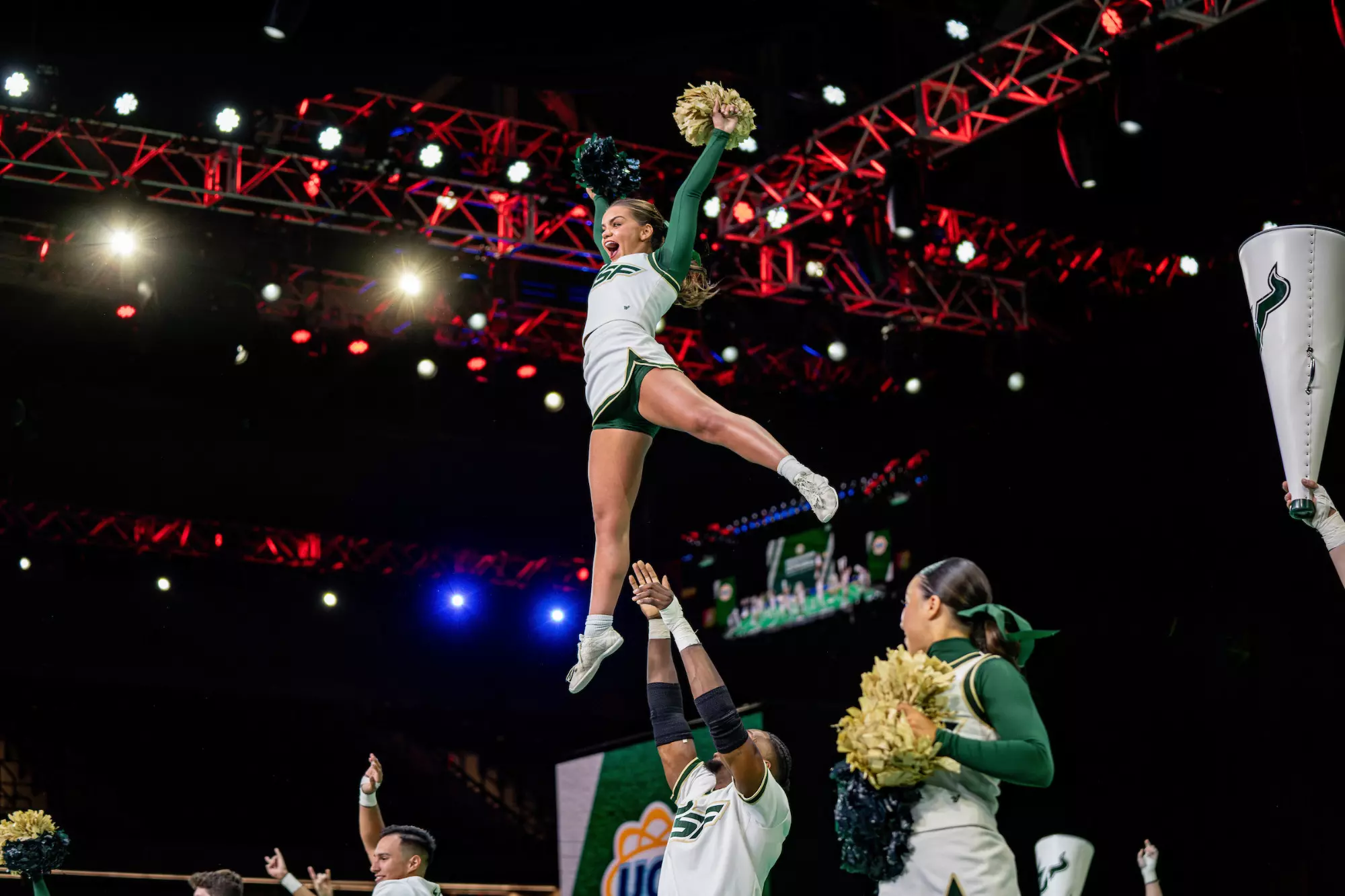
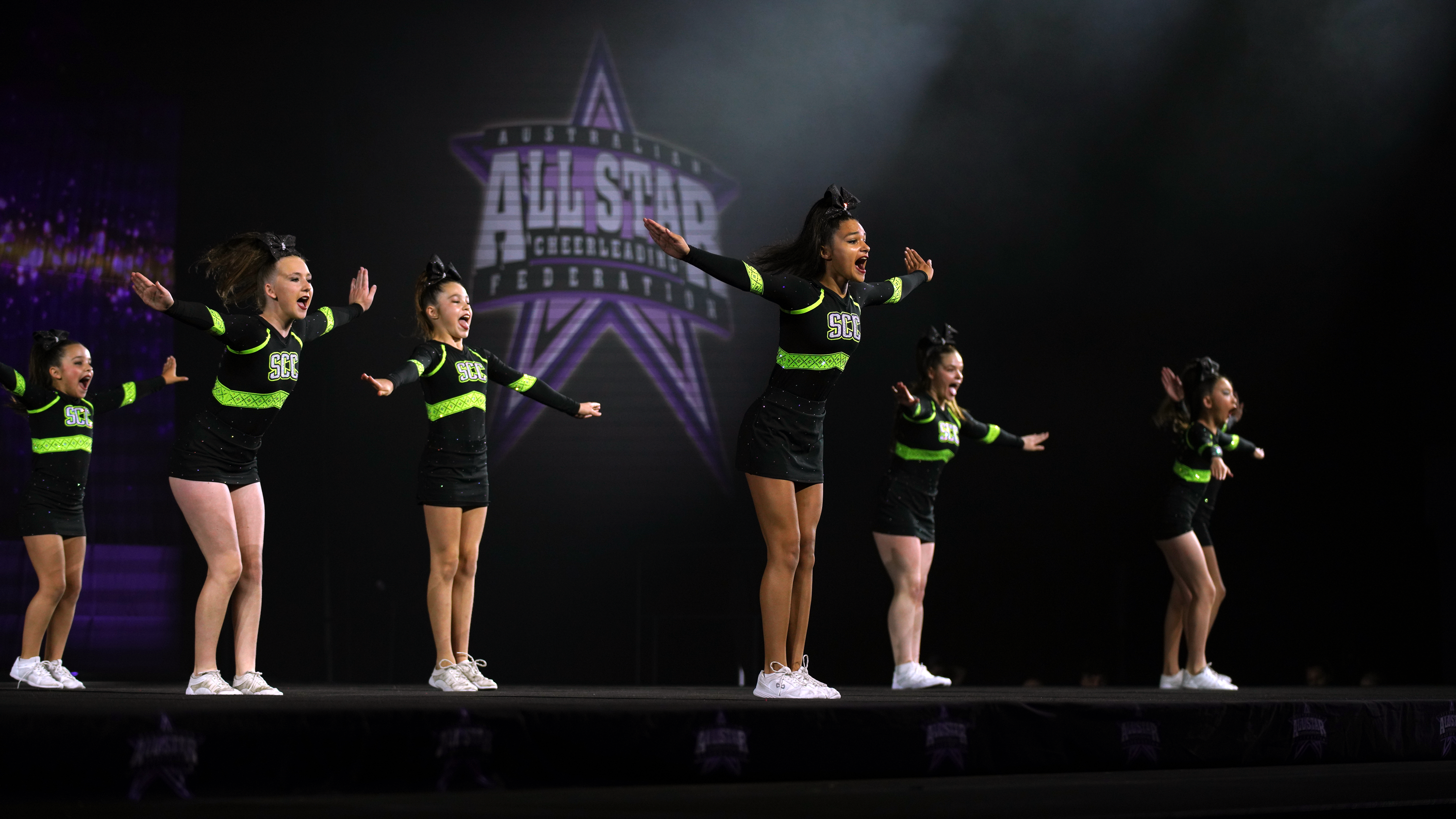
James Kersey, Former Cheer Coach at the University of Central Florida, highlights motion use in competitive routines: “When creating a routine, we always focus on being clean and sharp in every element we perform. A strong emphasis on motions is critical. All through the fall, cleaning up motion placement and creating a habit of being clean leads to sharper motions in our routines. This helps produce a clean, crisp, and entertaining performance.”

Advertisement

So, what can you do now to develop strong motion placement for both game day and competitive cheer?

“Focus on the basics first,” says Nestor De La Pena of The All Star Cheer Consultants. “Work on fundamental motions and correct placement; all other motions start from these basics. Fully extending your motions through the shoulders keeps your arms straight and minimizes bent wrists.” Correct placement matters to all college coaches, but sharp, synchronized motions are essential. “There’s a rhythm to all cheers, chants, and band dances that each member must hit and sharply execute,” says De La Pena. “Practice each motion and don’t rush your placement. Each motion has a count. Hit each motion on the correct count. Motions take practice to perfect.”

“Whether leading chants at a game or competing on the mat, strong and sharp motions convey athleticism and precision—two qualities desirable in any athlete in a performance-based sport,” Ortega adds as encouragement for prospective college cheerleaders.

Advertisement

College cheer blends athleticism and performance, and that confidence must translate to the crowd. Coaches seek athletes who can demonstrate clean game day skills both on the ground and in the air. Motions are a key part of that expectation.

Key Steps to Sharp Motions

  1. Start with the basics and correct placement.
  2. Practice motion placement in a mirror to monitor alignment.
  3. Fully extend your motions through the shoulders.
  4. Keep your arms tight.
  5. Transition from one motion to the next with no breaks.
  6. Use motion drills that emphasize both placement and sharpness.
  7. Execute motions on the correct count or beat.
  8. Don’t take motions for granted.
  9. Make motions expressive and visible for the crowd.
  10. Practice consistently, including mirror work at home.
Advertisement
Share This Article
Follow:
Cheer Daily is the industry’s most trusted source for cheerleading news, recognized for delivering accurate reporting, in-depth features, and event coverage that reflect the heart of the sport. Reaching more than 75 million views annually, Cheer Daily was named 2025 Content Creator of the Year by The Cheer Awards and marked a decade of coverage in 2024.