
If you’re reading this, you’re likely passionate about the sport of cheerleading and considering opening a facility that inspires athletes across all divisions—from youth sideline and STUNT to rec tumbling and All Star. Owning a gym is as much about leadership and education as it is about passion for the sport. But let’s be clear: this isn’t a get-rich-quick opportunity—it’s a full-scale business built on discipline, planning, and community service.
Cheerleading has evolved into one of the most diverse and dynamic youth sports in the U.S. With over 3.8 million cheerleaders nationwide, the need for purpose-built, well-managed gyms continues to rise. This guide provides the tools and strategies to help you build not just a facility, but a thriving hub for athletes and families.
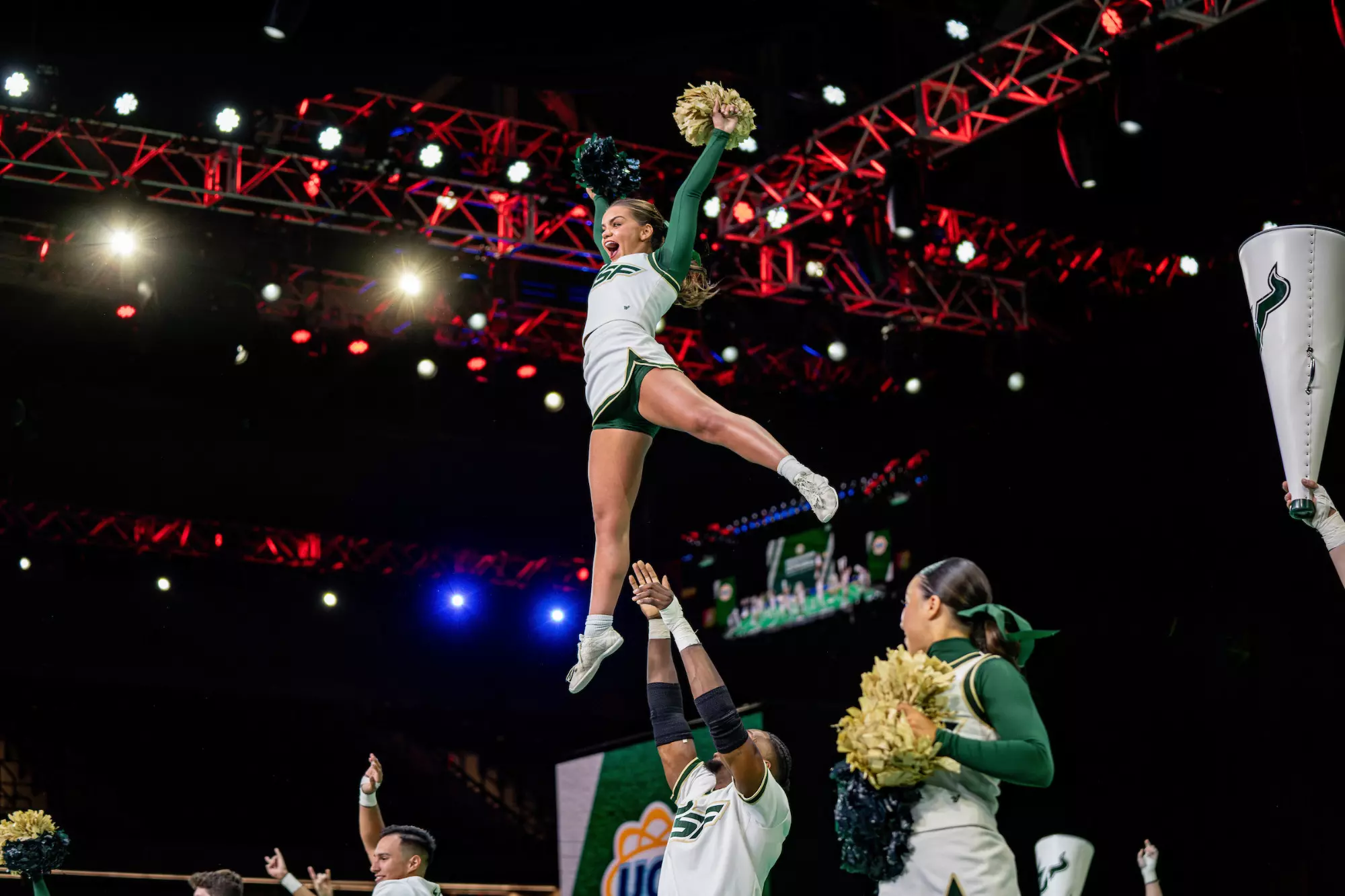
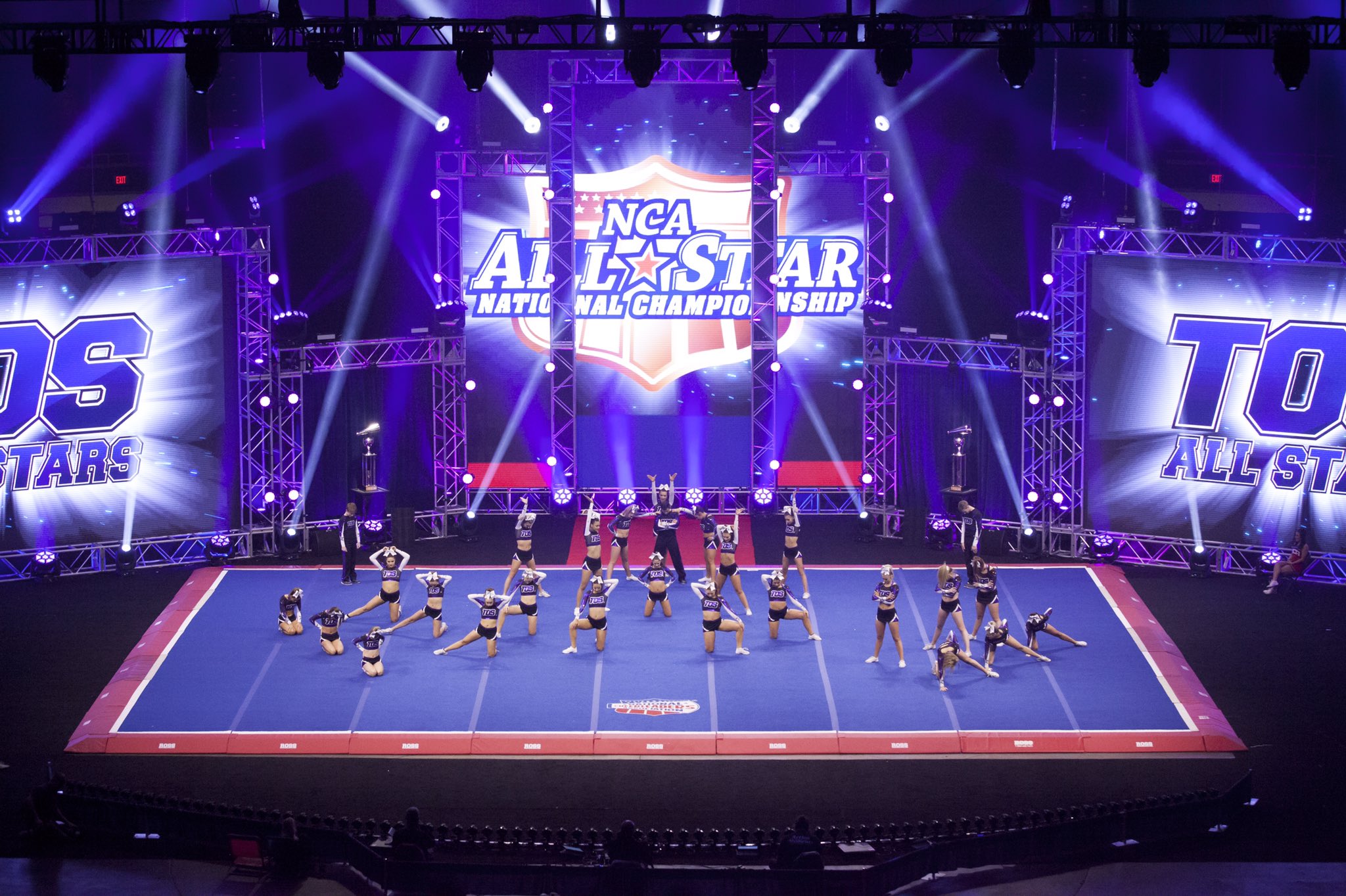
It starts with a spark—the moment the crowd roars, the music kicks in, and the team strikes their final pose. Whether it’s on the All Star stage, the high school sideline, or a local community showcase, that electric energy drives everything. If you’ve ever watched that moment and thought, “This is where I belong,” you’re not alone.
But wanting it and building it are two very different things.
STRATEGIC PLANNING & PREPARATION
Foundational planning is your anchor. Conduct market research to understand your community: are you near schools that need support with their cheer programs? Is there a demand for youth rec or tumbling classes? A good business plan outlines your services, goals, audience, projected expenses and income, and a timeline. Include a SWOT analysis to explore internal and external factors.
Budget wisely—most gyms underestimate startup costs. Besides equipment and renovations, you’ll need insurance, licenses, payroll funds, and at least six months of runway. Decide on a business structure (LLC, S-Corp, nonprofit), and register with your state.
COMMIT TO THE LONG GAME
You won’t be just a coach. You’ll handle HR, marketing, customer service, janitorial duties, and leadership. If you’re looking for quick wins, cheer gym ownership might not be your lane. But if you’re committed to building something meaningful—you’re already ahead.
GYM DESIGN & BUILDOUT
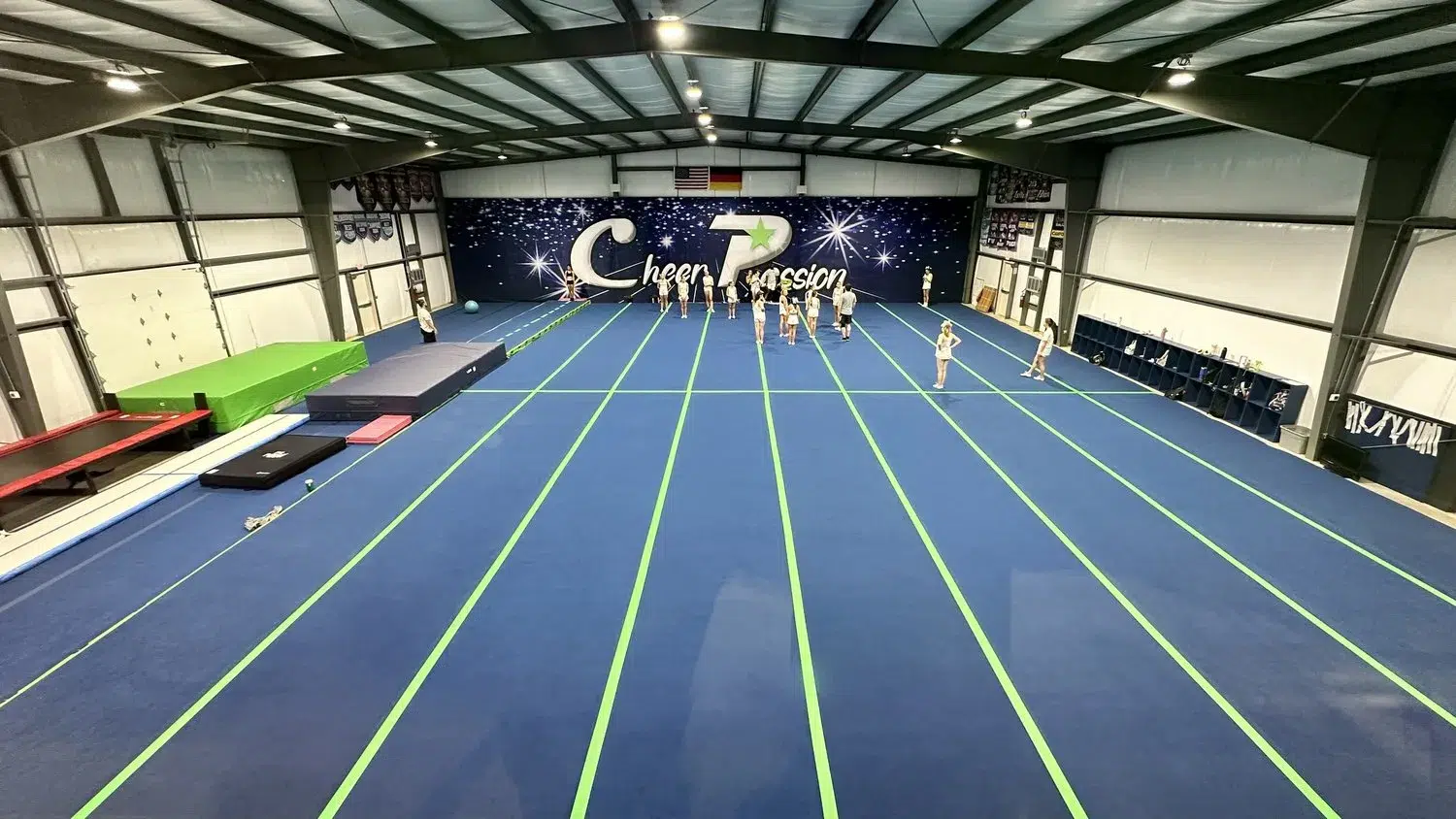
Your gym is more than a space—it’s a system. Ceiling height matters: aim for at least 20 feet. The standard floor size is 54’ x 42’. Create zones for different groups—rec, school, All Star, preschool—and keep foot traffic separate for safety.
Use professional planning services like Victory Athletics to design layouts and install equipment. They help visualize how everything fits, from spring floors to rod floors and tumbling areas. A clean layout improves safety and flow.
SMART INVESTMENTS FIRST
Start small. You don’t need every toy in the catalog. Begin with:
- One spring floor
- Panel mats and wedge mats
- Tumbling trampoline
- Crash pads, spotting blocks, and basic stations
Use quality equipment from trusted vendors and consider used or leased items to save on cost. Reserve cash for unexpected expenses.
HIRE THE RIGHT TEAM
Build a staff aligned with your values. Roles might include:
- Program Directors (Youth, STUNT, Tumbling)
- Customer Service Lead
- Marketing or Community Outreach Coordinator
Hire credentialed coaches or subsidize training. Require background checks and First Aid/CPR certifications. Great coaches retain families.