


There was a time, not long ago, when Kirsten Dunst might’ve considered revisiting Bring It On. But this week, she made her position clear: that door is closed.
“I’m like, leave good things where they are,” Dunst told Entertainment Tonight. “I don’t need to put on a cheerleading outfit. I don’t even know what I would do—be a coach or something? Let’s leave it.”
At 43, Dunst is no longer interested in reprises for the sake of nostalgia. And while her role as Torrance Shipman in the 2000 cult favorite remains one of the most quoted characters in teen film history, she seems uninterested in replicating it.
Not because she lacks affection for the film, but because she understands its precise place in time.
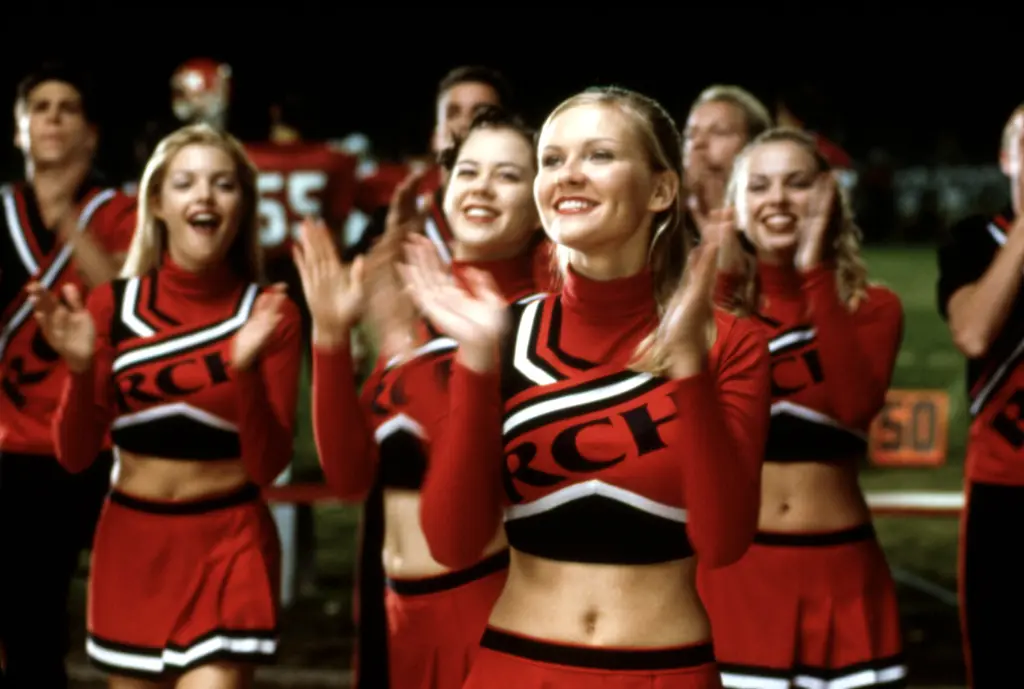
Released in August 2000, Bring It On arrived as a teen comedy with unexpected bite—underpinned by themes of cultural appropriation, performance politics, and athletic ambition. Dunst’s character, a newly minted high school cheer captain, was written with more dimensionality than the genre often afforded. She was ambitious, unsure, and eager to do the right thing—even when she didn’t know what that was.
The film went on to become a franchise—six sequels followed, none of which included Dunst—but it was the original that endured, helping to recalibrate how cheerleading was seen: not as background noise for football, but as choreography, strategy, and effort.
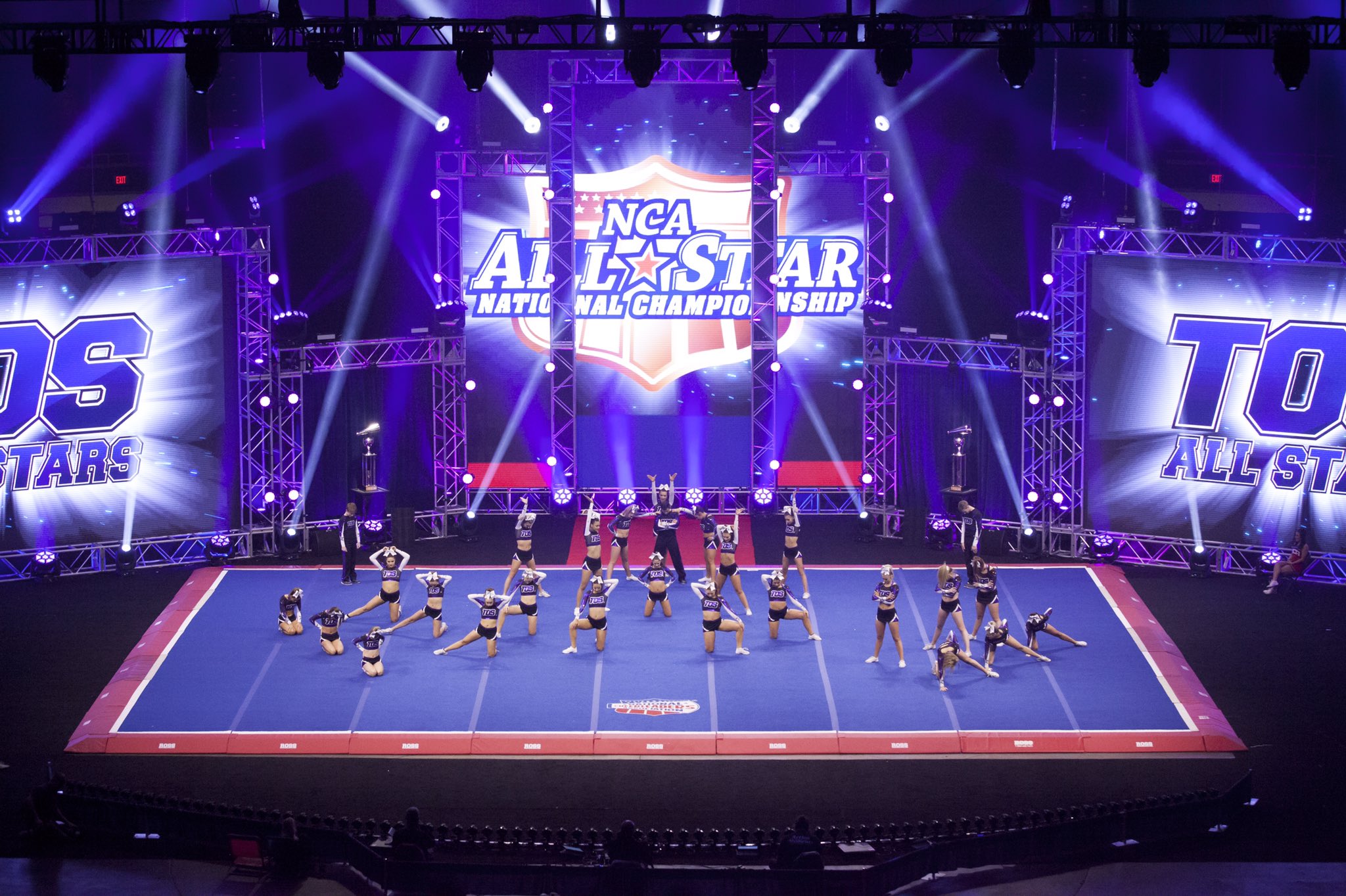
That Bring It On is still culturally relevant says as much about the sport of cheerleading—now global, Olympic-recognized, and explosively digital—as it does about the film.
In 2024, Dunst attended a screening of the film at Los Angeles’ Hollywood Forever Cemetery. When she stood to address the crowd, it wasn’t as a performer returning to a role—it was as a woman acknowledging the space that role occupies in other people’s memories.
“I am T-T-T-Torrance. Your Captain Torrance!” she shouted, playfully, before watching the film with fans for the first time since she was a teenager. “This is the craziest thing I’ve ever witnessed in my life. I’m so honored.”