Why Body Positivity in Cheer Starts With Listening to Athletes

6 Min Read
Advertisement

Updated Uniforms That Fit the Moment—Not Just the Body

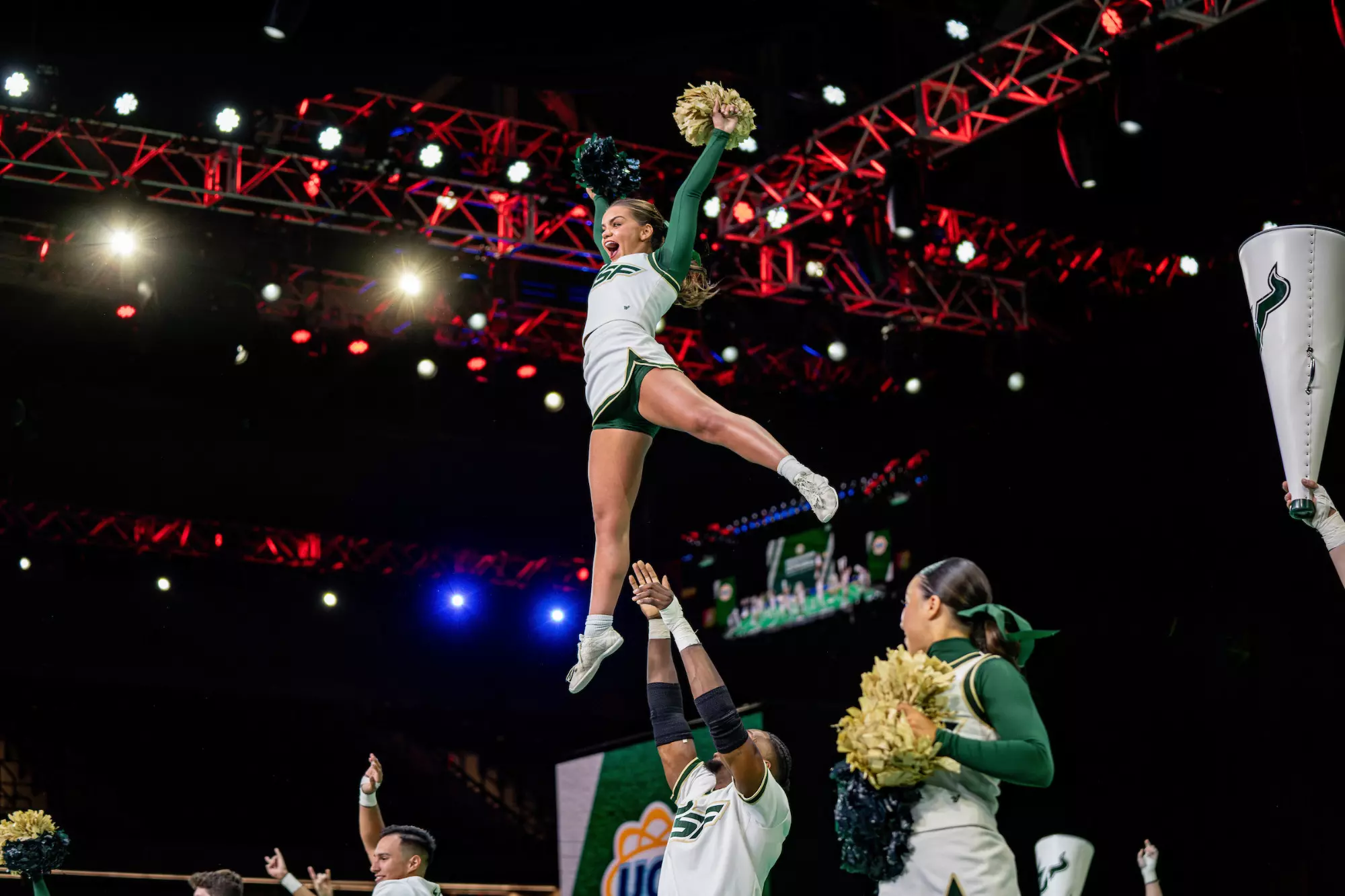
Cheerleading is a sport built on skill, not appearance. But for years, narrow visual standards have influenced how athletes—especially girls—view their bodies. That mindset is starting to shift.

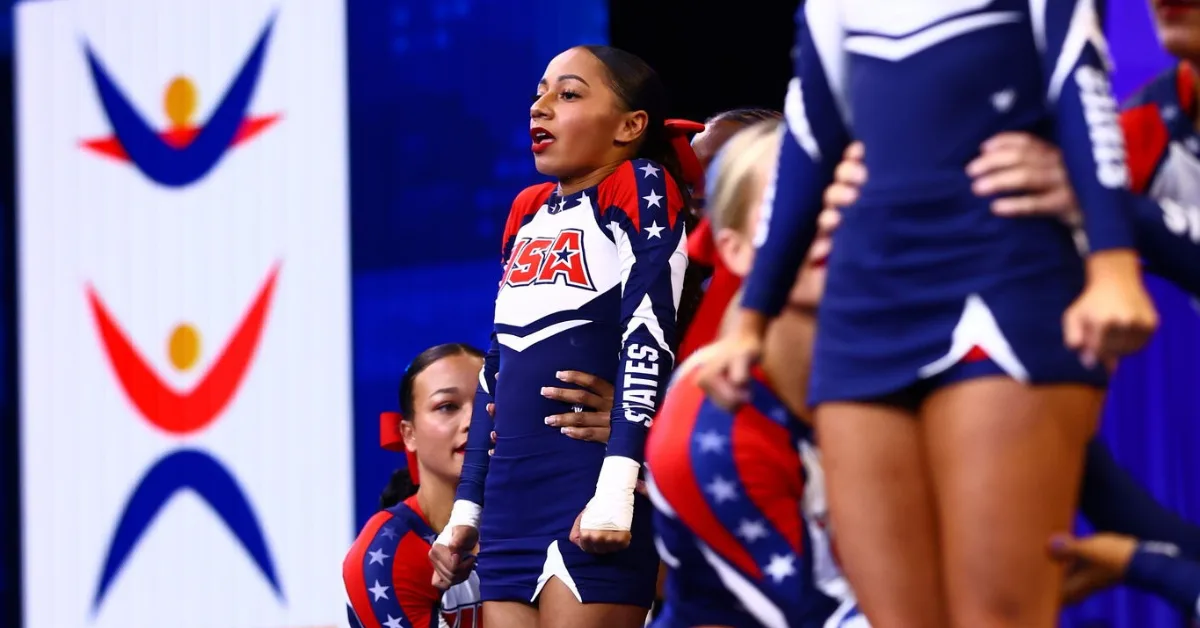
In 2025, USA Cheer released new inclusive uniform guidelines aimed at giving athletes more say in what they wear. Options like full-length tops, extended-length skirts, and performance shorts are becoming the new standard rather than the exception. It’s a move rooted in body autonomy, a concept backed by research showing that athletes perform better when they feel in control of their own presentation.

“Uniform choices aren’t just aesthetic—they’re mental tools,” says Dr. Melissa Streno, a sports psychologist collaborating with USA Cheer. “When athletes feel comfortable, they focus on skills. That shift alone improves performance and retention.”

But uniforms are just the entry point.

Advertisement

Why This Matters: The Psychology Behind the Stunts

Cheerleading falls under what’s called an aesthetic sport, alongside gymnastics, figure skating, and dance. In these disciplines, athletes often face increased pressure to conform to narrow physical ideals. The result? Elevated risks of body dissatisfaction, disordered eating, and early dropout.

At the same time, athletic participation—cheerleading included—offers a protective factor. According to a recent meta-analysis published in The Sports Psychologist, athletes in structured programs reported higher self-esteem and stronger body image than non-athletes. The key is how that sport is coached and experienced.

“Cheerleading has the power to empower,” says USA Cheer Executive Director Lauri Harris, “but only if we actively dismantle outdated norms.”

The statistics support the urgency:

  • 1 in 3 teen girls report avoiding sports because of body-image concerns (Vogue, 2024)
  • Cheerleading sees higher rates of athlete dropout linked to appearance pressure than any other aesthetic sport (ICU Youth Report, 2024)

Multi-Layered Strategies: What’s Actually Working

Culture doesn’t change with policy alone. Across the sport, teams, gyms, and governing bodies are putting new strategies into action to strengthen athlete confidence.

Advertisement

1. TrueSport + USA Cheer Partnership

Launched in 2021, this curriculum equips coaches, parents, and athletes with science-backed lessons on body positivity, self-talk, and performance health. Lesson plans include journaling prompts, video workshops, and team discussion guides. Bonus: It’s free to all USA Cheer-affiliated programs.
2. Free Being Me by WAGGGS & Dove

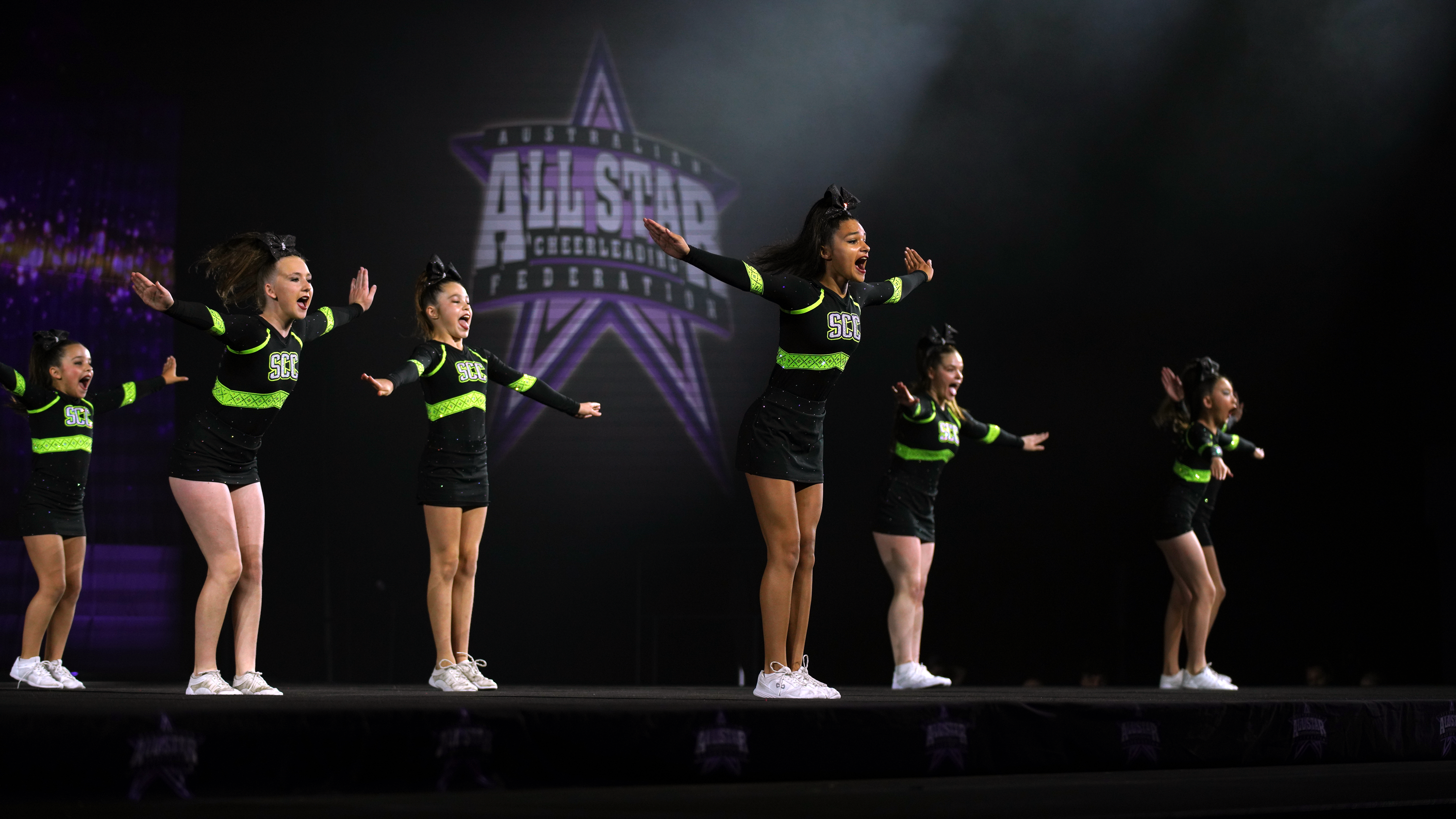
This global initiative uses interactive activities and peer dialogue to break down beauty stereotypes. Already in 18+ languages and adopted by over 8 million youth, it’s a favorite among all-girl prep and youth teams looking to make confidence part of team culture.

3. Athlete-Centered Programming

Emerging research from ScienceDirect underscores that the best body image interventions are athlete-informed. Programs designed with athlete feedback show higher success rates than top-down models. Translation: your team’s input isn’t just valid—it’s vital.

Advertisement

4. Role Model Visibility

Olympians like Ilona Maher and legends like Venus Williams have become powerful voices in shifting the conversation from appearance to ability. Maher has openly challenged body standards in sport, using her platform to promote strength, health, and self-acceptance—messages that continue to resonate with young athletes and teams.


Five Real Steps for Building Body Confidence in Your Gym

You don’t need a PhD to make a difference. Here’s how coaches, captains, and parents can take action—now.

StepWhat to Do
1. Start with the ToolsUse the TrueSport + USA Cheer toolkit to embed body-positive lessons into weekly practice.
2. Run Monthly “Free Being Me” SessionsHost peer-led discussions and roleplay activities that challenge media myths. Include all team members—this isn’t just for girls.
3. Bring in Athlete VoicesShow videos or host Zooms with role models. Focus on grit, strength, and resilience—not body types.
4. Co-Create Team CultureSurvey athletes anonymously. What helps them feel strong? What hurts? Build team mottos and traditions around their answers.
5. Reframe the Uniform TalkInstead of deciding for them, ask your team: “What makes you feel powerful on the mat?” Normalize choice. Normalize comfort.

Looking Ahead: The Real Win

Cheerleading’s future isn’t shaped by how athletes look, but by how they’re supported to grow, compete, and lead. When programs prioritize confidence over conformity, athletes stay longer, perform better, and bring more to the mat and beyond. Now is the time to replace pressure with purpose.

Start with our Coach-Created Body Positivity Session Plan—built by cheer professionals, designed for real practice, and ready to elevate your team today.

Advertisement
Share This Article
With more than 15 years in the All Star cheer industry, Chelsie Hollencamp brings a rare, 360-degree perspective to the stories shaping the sport of cheerleading today. A former athlete, coach, choreographer, judge, and event producer, she has experienced nearly every side of the mat — from the pressure of elite performance to the behind-the-scenes realities of program operations and event production. Chelsie writes with both heart and an unflinching eye to the evolving world of All Star cheer — tackling topics that range from athlete mental health to the business dynamics shaping the sport today. Her reporting bridges experience and inquiry, shining light on the challenges, culture shifts, and stories of resilience that define the cheer community. A longtime advocate for athlete well-being and industry accountability, Chelsie has also served on boards and advisory panels focused on advancing safety, scoring integrity, and program sustainability. Her work reflects a deep respect for the athletes, coaches, and businesses driving the sport forward with a commitment to telling their stories with honesty, empathy, and insight. Follow Chelsie’s reporting on athlete culture and leadership in cheerleading on Cheer Daily.