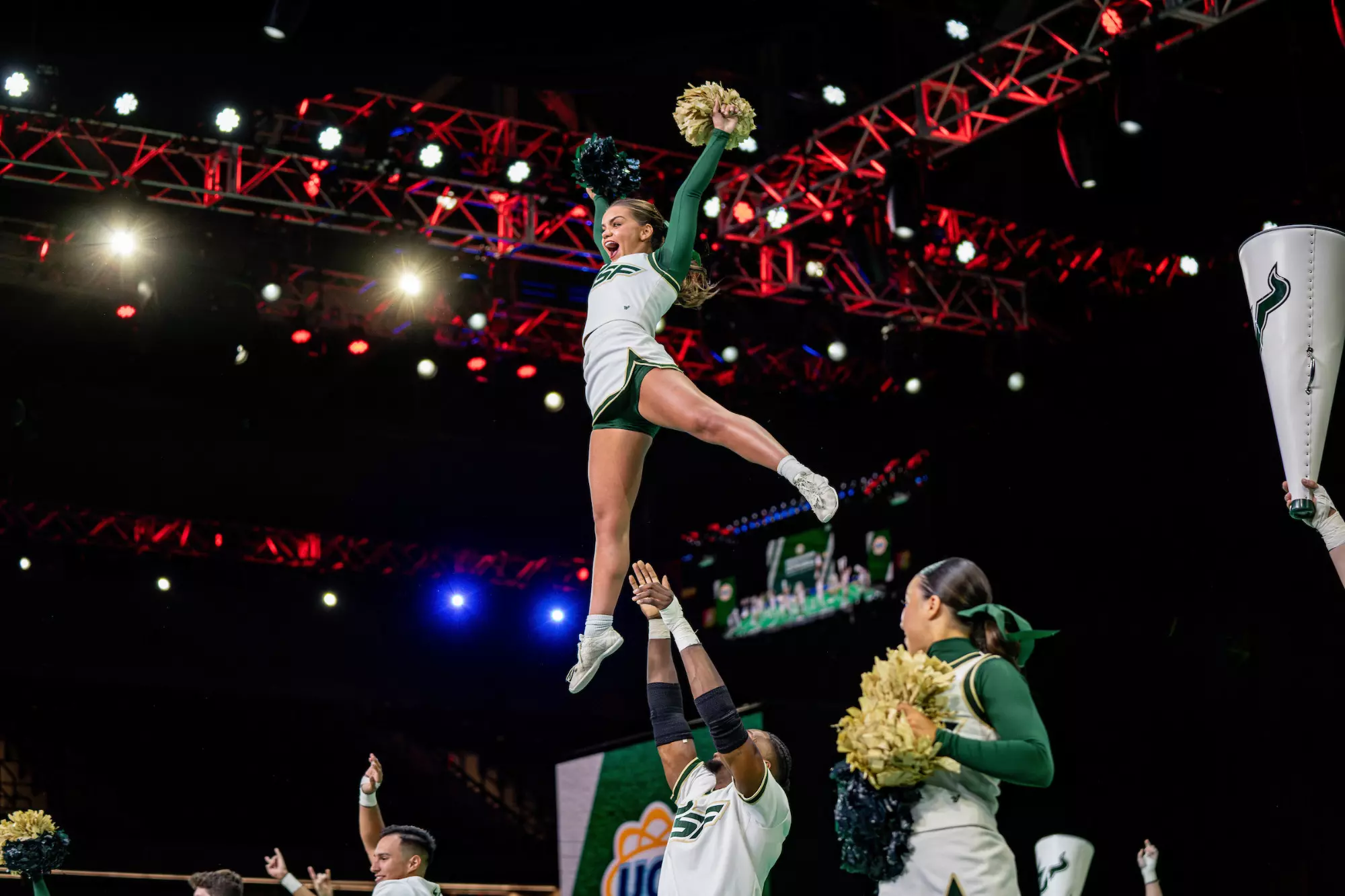
On November 2, we celebrate 127 years of cheerleading—from Johnny Campbell’s first organized cheer to today’s global competitions. Here’s how it all began.
On November 2, 1898, Johnny Campbell made history. Standing in front of a football crowd at the University of Minnesota, he directed the audience in a unified chant to energize the team. This marked the first instance of coordinated, crowd-led spirit at a collegiate athletic event—a foundational moment for the sport of cheerleading. That moment launched a sport that today involves over 3.8 million athletes in the U.S., with competitive divisions, international federations, and Olympic recognition.
Here is a complete look at how cheerleading transformed from spontaneous school spirit to a structured, high-impact sport.
Timeline of Cheerleading’s 127-Year Journey
1860s: Origins of organized cheers traced back to Ivy League college sporting events
1884: First known cheer shouted at Princeton University
November 2, 1898: Johnny Campbell leads the first organized cheer at the University of Minnesota
1903: Gamma Sigma, the first cheer fraternity, is founded
1923: Women join the University of Minnesota cheer team
1948: Lawrence “Herkie” Herkimer invents the pom-pom and creates NCA
1949: First NCA summer camp is held
1970s: Competitive cheerleading emerges as a separate path from school-based programs
1982: Hilda McDaniel forms the first All Star cheer team
1984: That team performs at the NCA Nationals
1990s: Cheerleading officially classified as a sport by ESPN
2004:International Cheer Union (ICU) is established – expanding to 116 member nations, representing 7.5 million cheerleaders over the decade
2011: STUNT is introduced to align with Title IX compliance
2016: IOC grants provisional recognition to cheerleading
July 20, 2021: Cheerleading earns full recognition from the IOC
Photo courtesy USA Cheer
A Sport Defined by Evolution
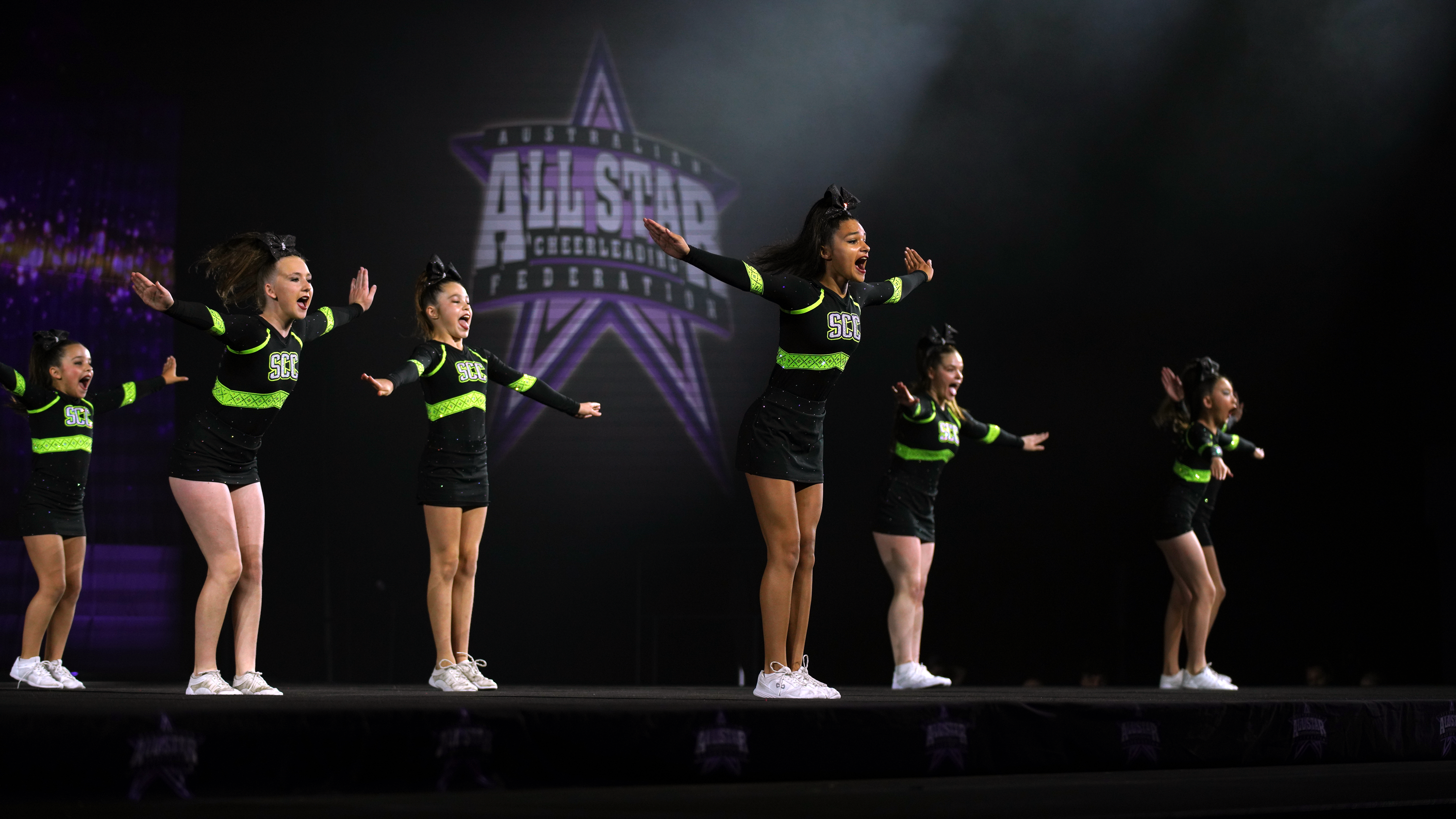
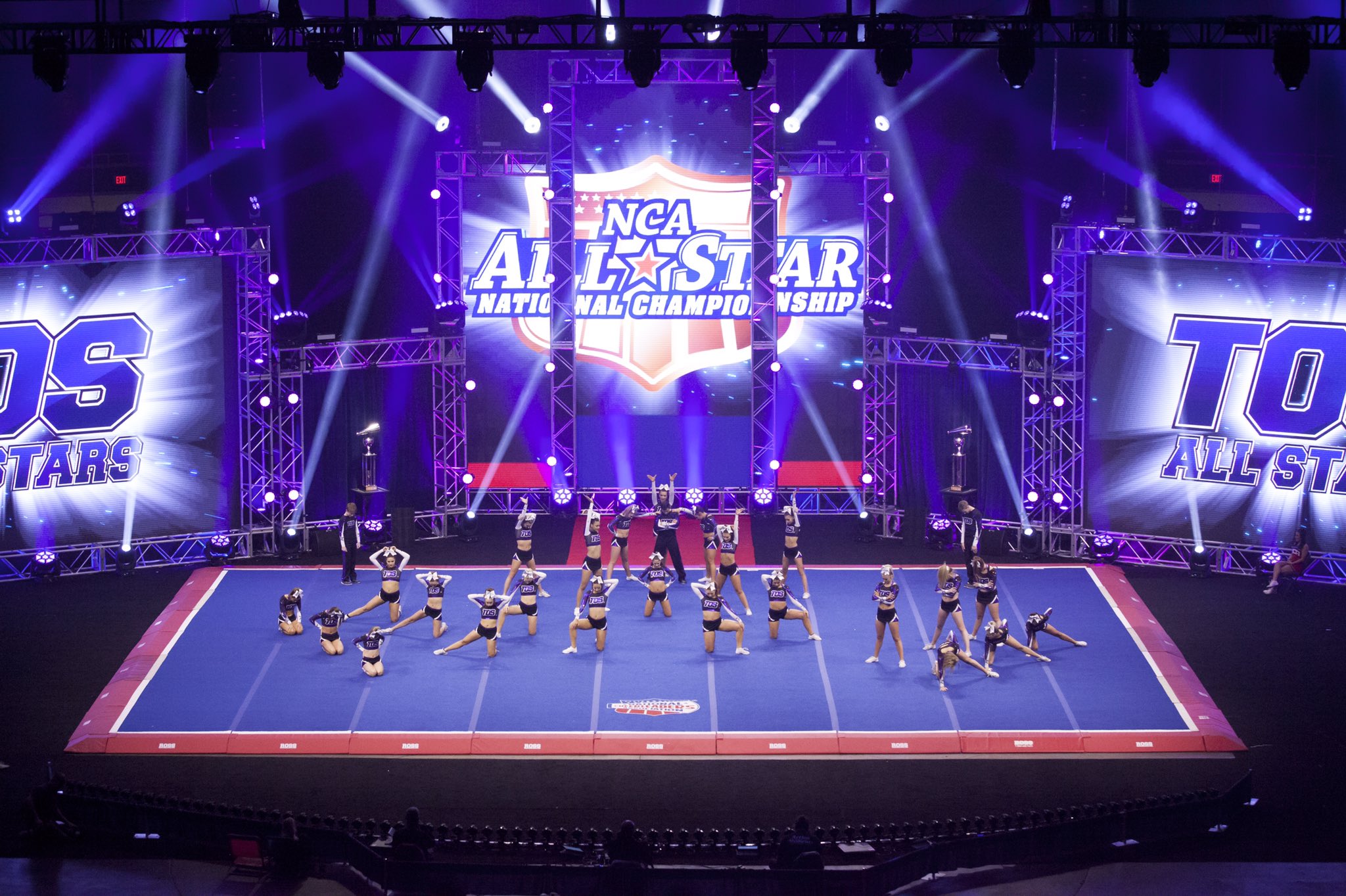
What began as a student-led chant now demands elite training, expert choreography, and technical execution. Competitive cheer includes structured divisions by age, team size, and difficulty level. From Level 1 basics to Level 7 elite pyramids and twisting, athletes master tumbling, stunting, and synchronized performance under strict safety standards.
Each performance is scored on technical difficulty, synchronization, and execution. At events like the Cheerleading Worlds and ICU Championships, teams are evaluated with criteria similar to those used in other judged Olympic sports.other Olympic-level sports.
And it’s not just an American tradition. Nations from Colombia to Japan now field competitive teams. The International Cheer Union, representing over 120 countries, governs a global calendar of elite competitions.
Breaking Barriers
Originally male-only, cheerleading flipped its demographic during WWII and became a female-dominated activity. Yet coed teams now set the standard at the highest levels, reflecting cheerleading’s continued push for athletic and gender inclusivity.
Cheer has also fought for its place in the sports world. From Title IX disputes to the creation of STUNT, athletes and advocates have worked relentlessly to gain recognition and equal support. In 2021, the ICU’s full recognition by the IOC marked a turning point—cementing cheerleading as an international sport with Olympic potential.
127 Years In: Where We Stand
Today, cheerleading is a fully-formed global sport with structured rules, passionate athletes, and institutional backing. It continues to expand its reach, sharpen its standards, and draw new competitors from around the world.
This milestone affirms a legacy built on skill, commitment, and collaboration. As the next season begins, cheer is prepared to take on new challenges and reach new heights.
Want more cheerleading history and breaking competition updates? Visit cheerdaily.net and follow Cheer Daily on all platforms.