The Pro Cheer League presented by Varsity Spirit will expand to six teams for its 2026-27 season, adding the Houston Hustle and Kentucky Crush and increasing its schedule to 10 matches.
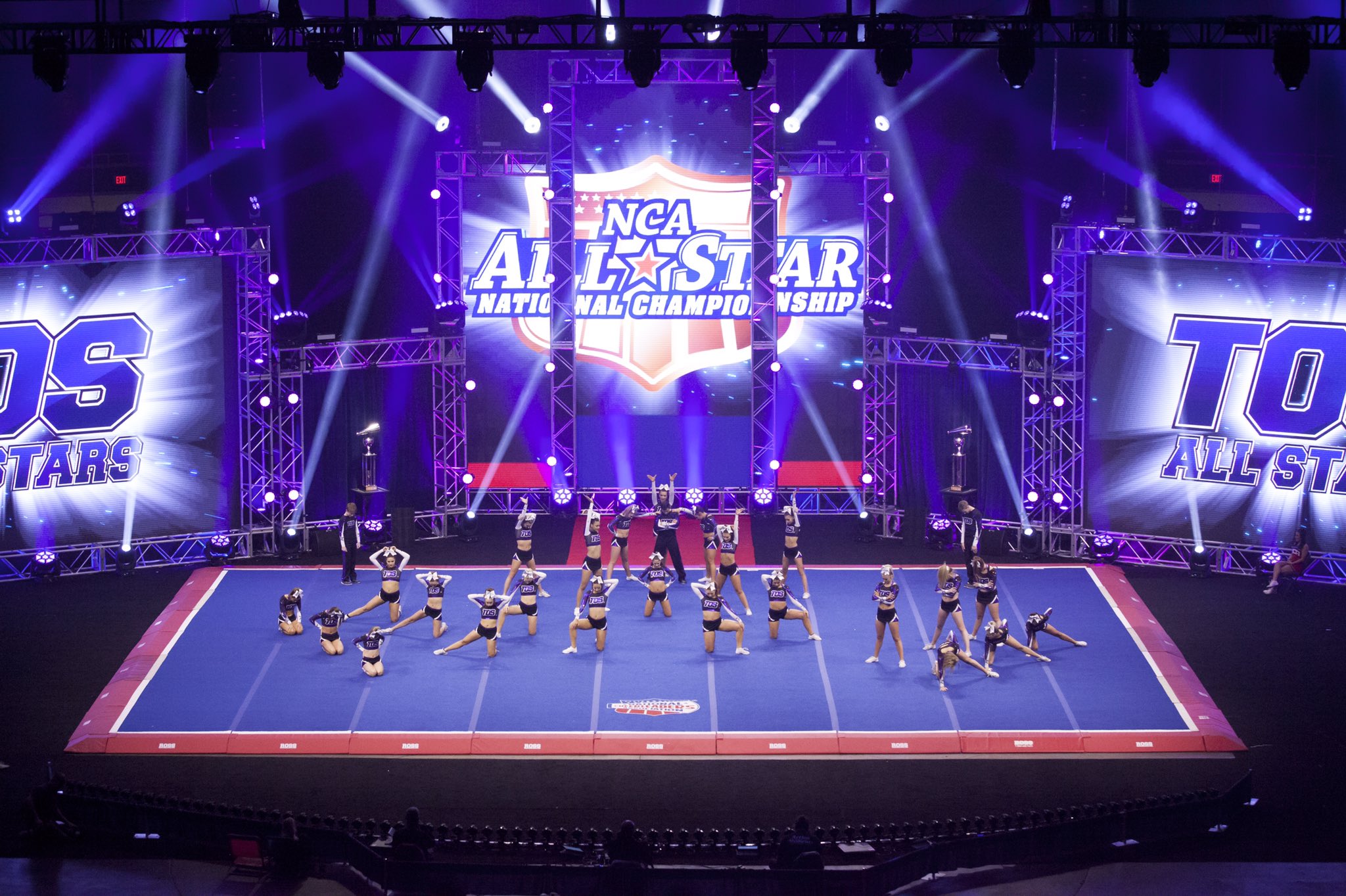
The season is set to begin in December, with a final event scheduled for March 2027 at the Toyota Center during NCA All-Star Nationals.
The expansion is defined as much by its leadership as its geography.
Houston will be led by Allen Shearer, a gym owner and coach based in Houston. His background is rooted in the Texas all-star system, one of the most competitive and densely populated talent pipelines in the sport. Athletes from this region consistently feed into top collegiate programs and senior-level all-star teams, making it a logical market for professional roster development.
Kentucky will be led by Misty Hodges, a Louisville-based college coach and gym owner. Her experience spans both collegiate sideline and all-star training environments, with direct involvement in athlete progression at multiple levels. Kentucky’s influence in cheer is tied closely to its collegiate success and coaching network, and that background carries into the Crush’s leadership structure.
Pro Cheer League
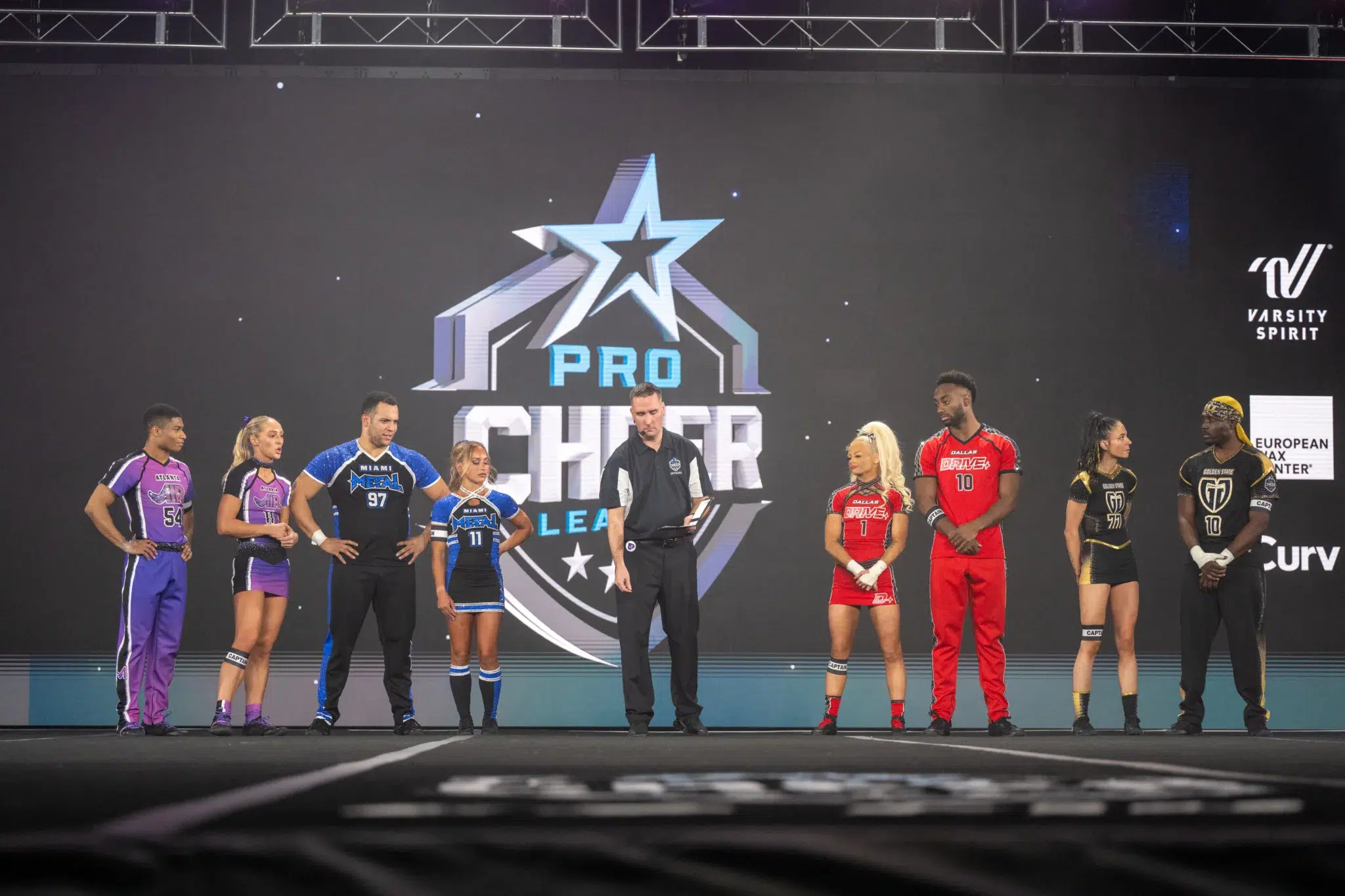
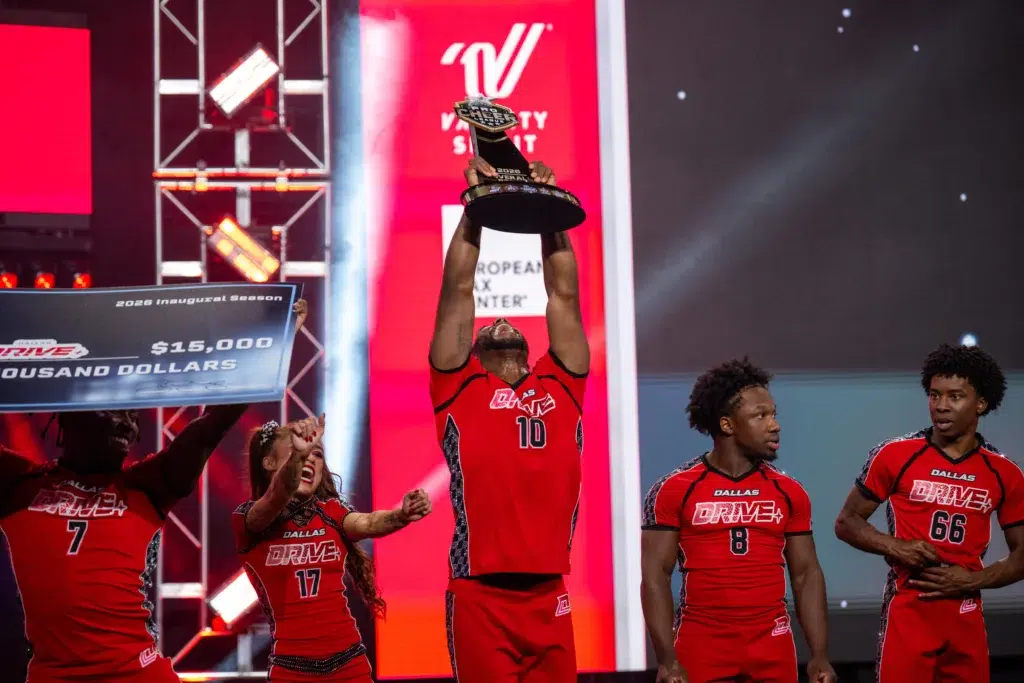
The two teams join Atlanta Air, Dallas Drive, Golden State Grit and Miami Metal, which formed the league’s original lineup.
Commissioner John Newby confirmed the league will double its number of matches from five to 10 in its second season. Broadcast plans remain consistent, with events airing on ION and streaming available through Varsity TV.
After such a historic first season, we wanted to quickly build on our momentum and show fans that we are only getting started,” Newby said in the league’s official release. “Season two is not only going to be bigger and better but will provide twice as many opportunities to reach new fans and elevate our sport.”
According to league data, the inaugural season reached more than 5 million unique viewers across five matches. Full audience retention metrics and event-by-event breakdowns have not been released.
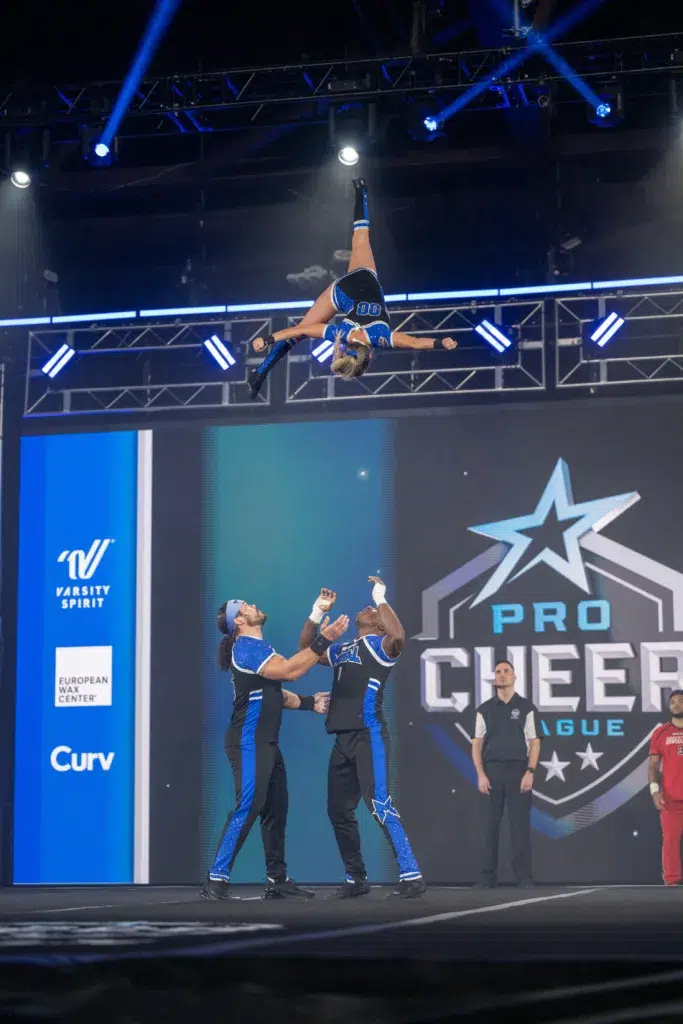
The expanded schedule introduces a different competitive structure than most cheer formats. Ten matches require roster depth and repeated performance across a defined season, rather than a single peak at a championship event. The league has not yet published details on roster limits, substitutions or scoring adjustments tied to the longer format.
For athletes, the additional teams increase access to paid positions within the league. The Pro Cheer League continues to operate as the only U.S.-based structure offering compensation to elite cheer athletes 18 and older. Specific contract terms and compensation models have not been publicly outlined.
The selection of Houston and Louisville aligns with established cheer markets. Both regions support large gym networks, experienced coaching staffs and consistent athlete output at the national level. Assigning leadership from within those systems keeps team development connected to existing training pipelines.
The league will release additional details on rosters and scheduling in the lead-up to December.