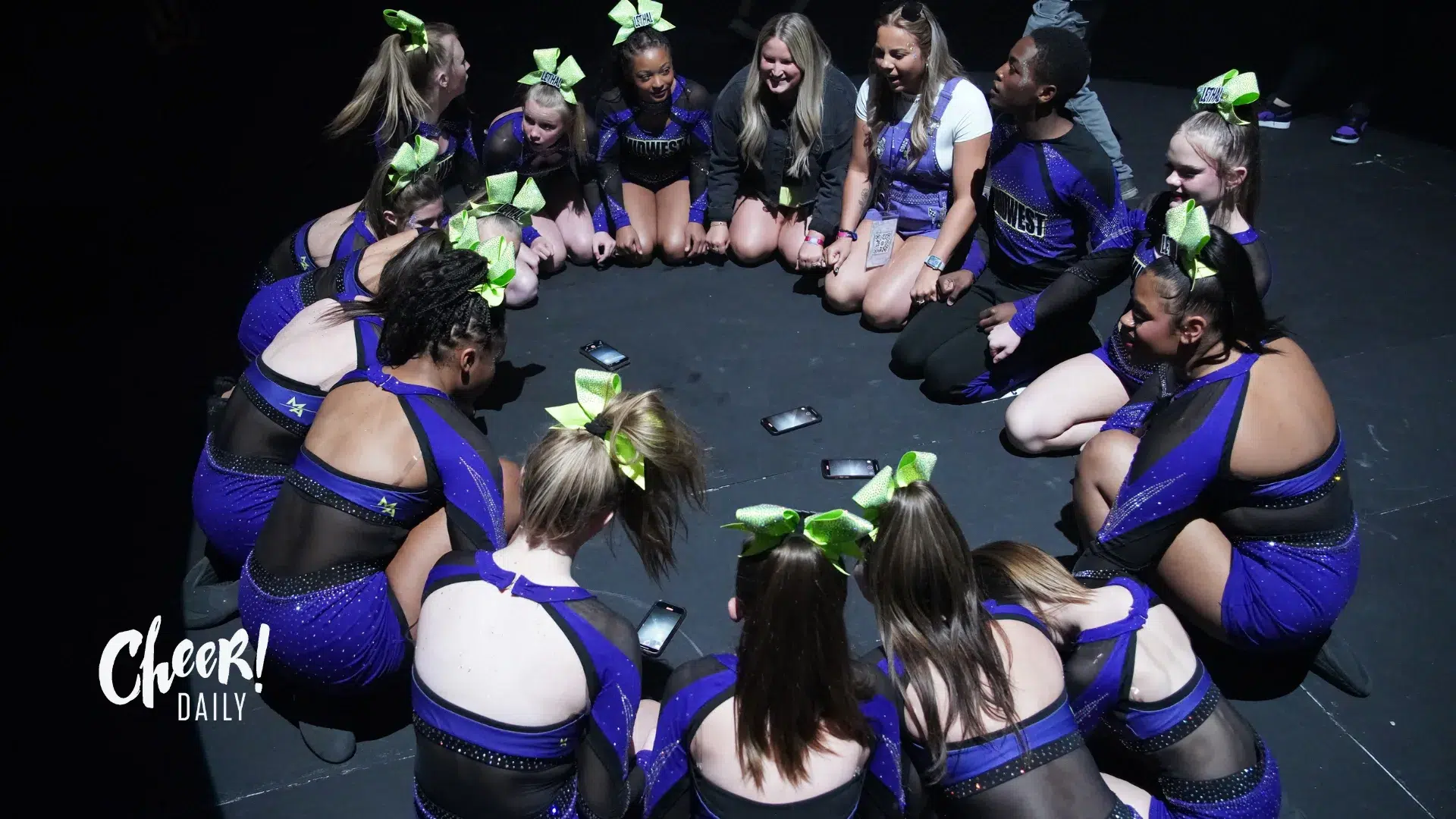
There’s always room to grow in All Star cheerleading. All Star cheerleading is an intensely competitive sport that demands focus, discipline, and consistent progress—but it’s also one of the most rewarding athletic paths for young athletes. As the new competitive season approaches, these eight strategies will help you elevate your game and support your team more effectively.
1. Know Your Level
Being honest with yourself about your skillset is the first step toward meaningful improvement. If you’re “working on” a skill, it likely isn’t performance-ready. Mastery means being able to hit it cleanly—no bobbles, no stumbles, no falls—consistently. You should be confident, even under pressure. Unsure of what to work on next? Have a direct conversation with your coach to identify priority skills.
2. Learn the Rules
Success in All Star cheer isn’t just about talent; it’s about being smart. Familiarize yourself with the USASF level rules, especially if you’re unsure of skill limits or progression standards. Knowing what’s allowed and what’s not can give you a competitive edge and help your team avoid unnecessary deductions.
3. Know Your Strengths
Every athlete brings something different to the mat. Take time to list your strengths and weaknesses. Use this to set a clear path for your training. Daily practice on counts, motions, and choreography in front of a mirror can build performance confidence. Remember, the best routines are built on individual strengths coming together in sync.
4. Change “I Can’t” to “I Can”
Mindset matters. Replace self-doubt with motivation. Challenging skills are hard for a reason—that’s what practice is for. The road to success is never instant, but your determination will carry you through the toughest training days.
5. Fuel Like an Athlete
Cheerleading is a high-intensity sport that demands energy, strength, and endurance. Junk food doesn’t support performance—nutrition does. Educate yourself on what your body needs and challenge yourself to eat like the athlete you are. Clean fuel leads to better results and recovery.
6. Respect Your Coaches
Trust the process. Your coaches and gym owners are in their roles for a reason. They see the bigger picture and make decisions based on experience and strategy. Progress doesn’t happen overnight, but respect and hard work go hand in hand. Listen, apply their feedback, and stay coachable.
7. Set Realistic Goals
Whether it’s mastering a skill or spending more time working with your stunt group, goals keep you focused. Break them down into short-term and long-term plans. Talk to your coach about extra floor time or accountability check-ins. Small, consistent steps lead to long-term growth.
8. Lead by Example
Your actions matter, on and off the mat. Social media, sideline conversations, and your overall attitude reflect who you are—and someone younger is always watching. Be the athlete who uplifts the team and sets the tone for positivity and dedication. You never know who you’re inspiring just by showing up and giving your best.