Twenty-five years ago, a modest high school cheer movie hit theaters and unexpectedly changed the way we see the sport. What began as Jessica Bendinger’s offbeat script about rival squads became a cultural phenomenon—sparking conversations about representation and appropriation while launching careers that still thrive today. From Gwen Stefani’s surprising influence on the dialogue to real competition footage woven into the film, Bring It On struck a rare balance of sharp creative choices and lucky breaks, blending Hollywood polish with the grit and skill of real athletes.
What most fans don’t know is that the movie that gave us “spirit fingers” and the most quoted cheer of all time—“Brr, it’s cold in here”—almost never made it to the screen. The script was rejected 28 times. The lead actress nearly quit. And studio executives wanted to cut the opening sequence that now defines the film. Against the odds, this scrappy production not only survived—it transformed a sport, inspired a generation of athletes, and built a legacy still growing 25 years later.
As we wrap up Bring It On Week, we’re closing with 25 of our favorite behind-the-scenes stories that turned the film into a legend—from last-minute rewrites to the cultural impact still felt today. Some may surprise you, others will deepen your appreciation, but all prove how the film’s “happy accidents” became moments still quoted, copied, and reimagined. #BringItOn25Challenge
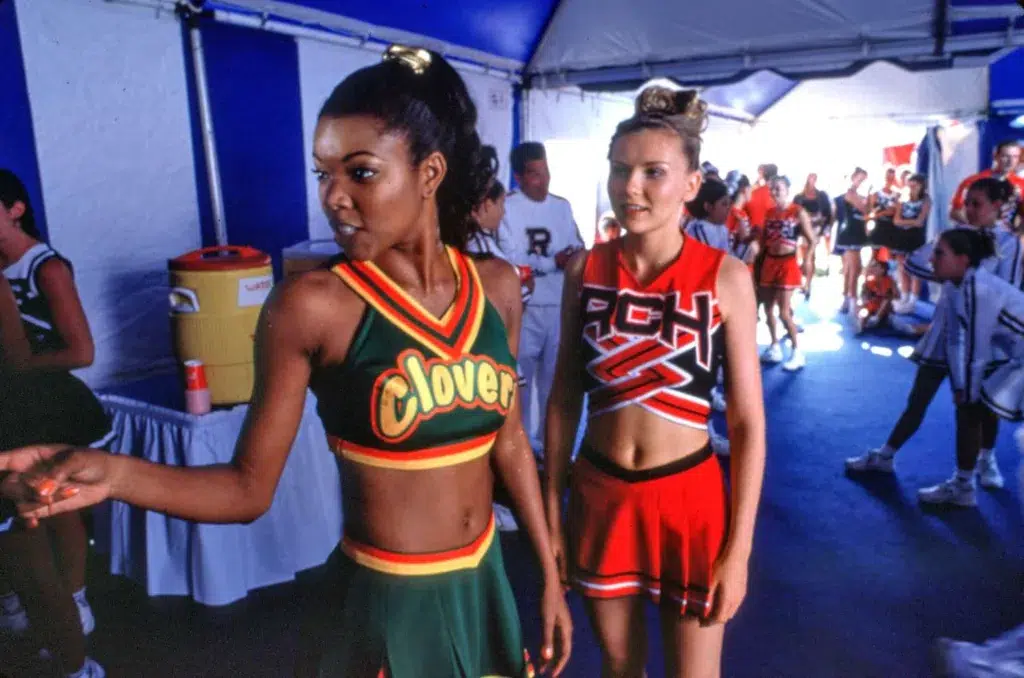
From Chaos to Choreography: How It All Came Together
1. Gwen Stefani’s Voice in the Script
Jessica Bendinger revealed that she kept a photo of Gwen Stefani above her writing desk while drafting the script. The goal was to channel Stefani’s unapologetic, pop-punk attitude into the captains’ dialogue, resulting in the sharp, snappy exchanges that still get quoted at cheer camps today.
2. The Opening Cheer Almost Didn’t Exist
The now-famous “I’m sexy, I’m cute” opener nearly died in pre-production after studio executives worried it was too risqué for a teen audience. Director Peyton Reed fought to keep it, telling Vanity Fair it was “essential” to setting tone and energy from the first frame — and it’s now one of the most recognizable cheer chants in pop culture.
3. Twenty-Eight Drafts Later…
According to the Writers Guild Foundation, Bendinger went through 28 drafts before Universal signed off. Each revision tightened the Toros–Clovers rivalry and built more authenticity into the competition scenes, ensuring the movie resonated with actual athletes as much as with casual audiences.
4. Before It Was a Comedy, It Was Going to Be a Documentary
Before becoming a scripted film, Bring It On began as a pitch for a documentary about ESPN’s coverage of competitive cheer in the ’80s and ’90s. When that plan fell through, Bendinger kept the research, incorporating the sport’s real rules, scoring systems, and sideline culture into the screenplay.
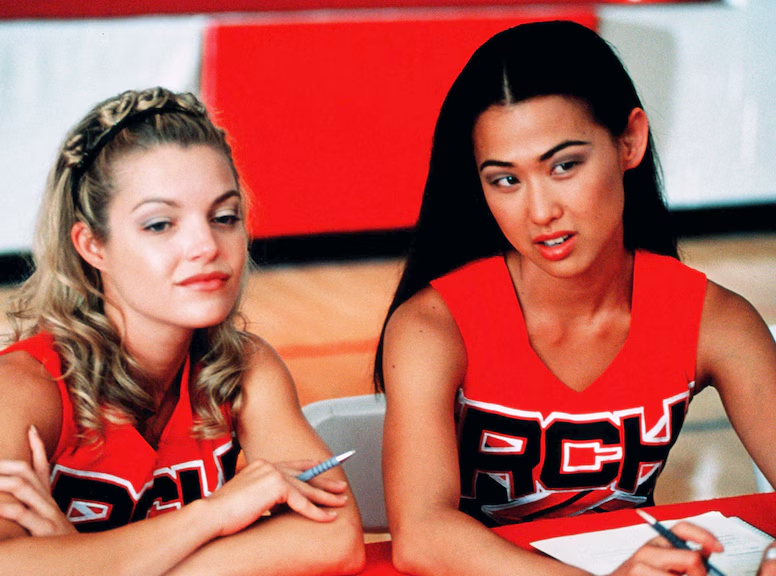
Casting “What Ifs”
5. James Franco and Jason Schwartzman Auditioned for Cliff
Casting director Mary Vernieu told Backstage that both Franco and Schwartzman auditioned for Cliff’s role, each bringing a different take on the sarcastic love interest. Ultimately, Jesse Bradford landed the part and suggested the character drive a convertible — a detail that became central to the road trip-to-Nationals subplot.
6. Kirsten Dunst Almost Said No
In Entertainment Weekly’s 2000 interview, Dunst admitted she nearly turned down the role while filming in Prague, worried it would be “just another teen comedy.” A long call with Peyton Reed changed her mind when he pitched it as a true sports movie with high stakes and real teamwork.
7. Eliza Dushku Auditioned Hungover — and Won the Role
Dushku told AV Club in 2018 that she showed up to her audition “a little hungover” and dressed head-to-toe in black. She still dropped into a perfect split on command, wowing producers and securing the part of Missy — the rebellious gymnast turned cheerleader.
8. Gabrielle Union’s Plan to Bring a Different Kind of Cheer Captain to the Screen
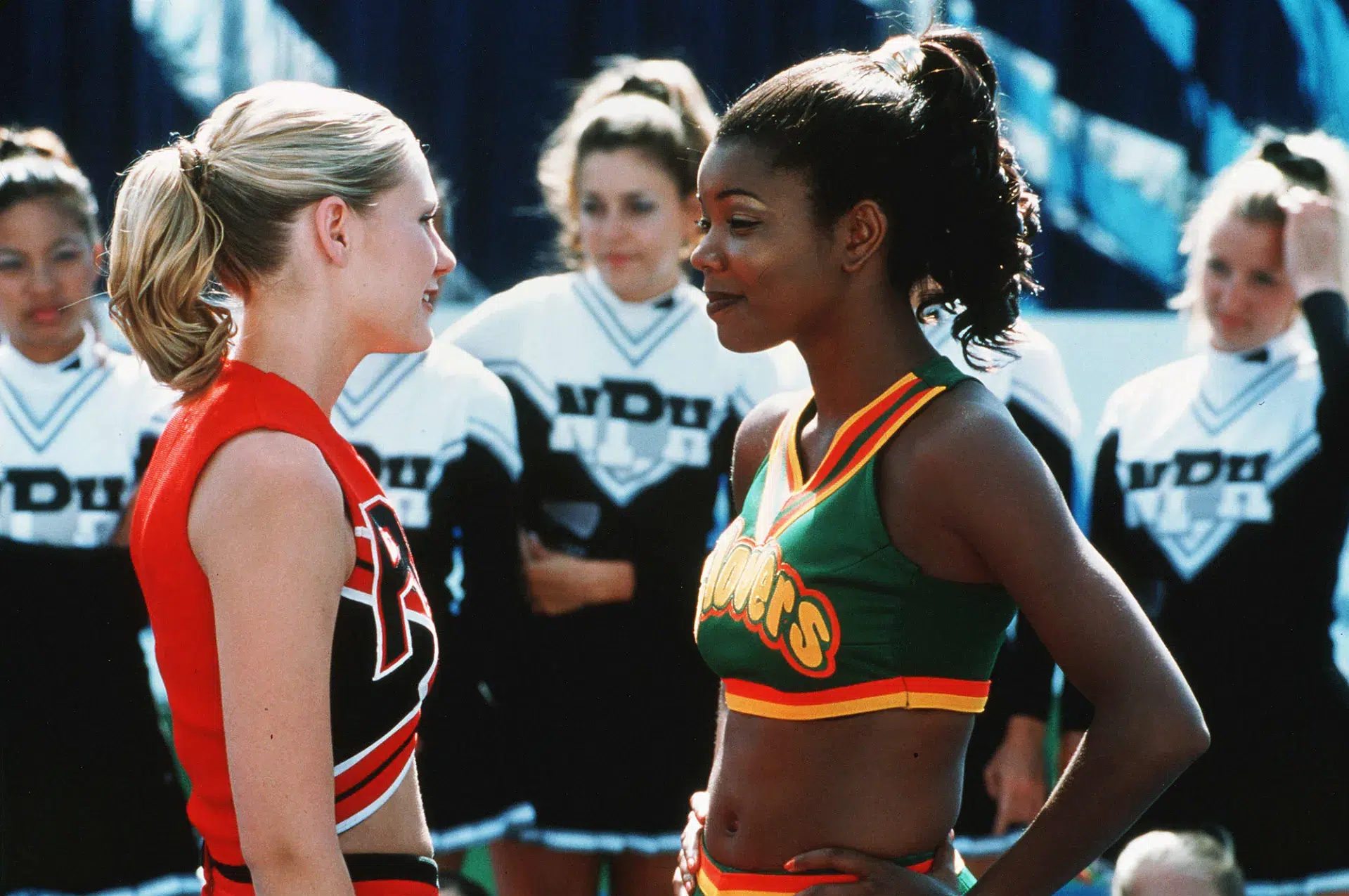
Union told Oprah Daily she was drawn to Isis because the character was a strong, competent leader — not just “the rival.” She pushed for Isis to be portrayed as a champion in her own right, inspiring a generation of young athletes, especially Black cheerleaders, to see themselves in competitive leadership roles.
9. Blaque Didn’t Need to Audition
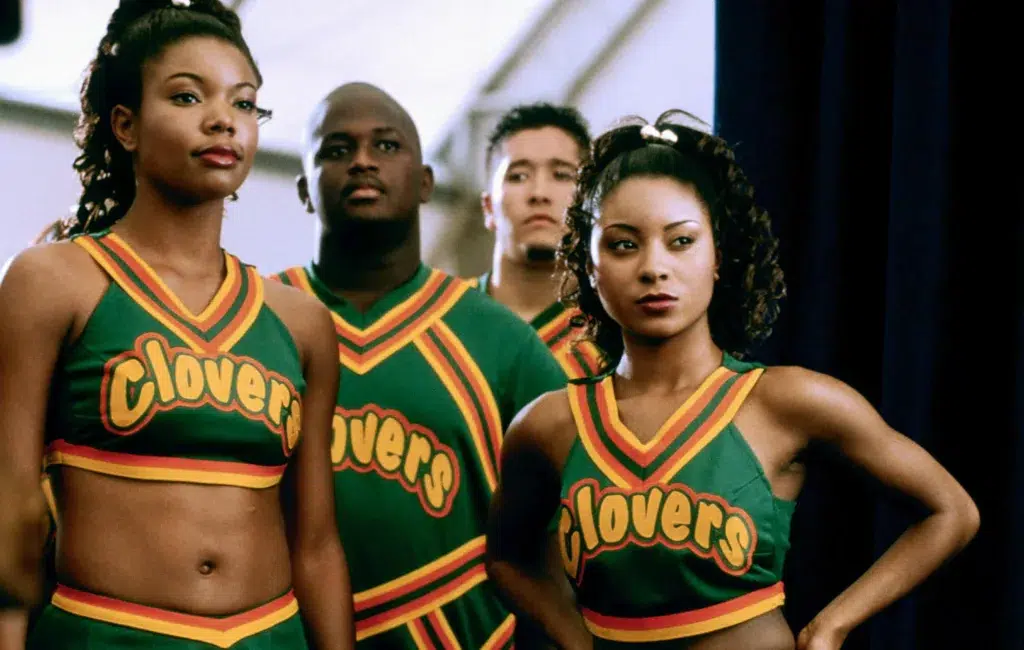
Producer Max Wong confirmed to BuzzFeed that the R&B trio Blaque was offered the roles of the Clovers without even auditioning. Their natural stage presence and chemistry helped sell the Clovers as a polished, championship-ready team from their very first scene.
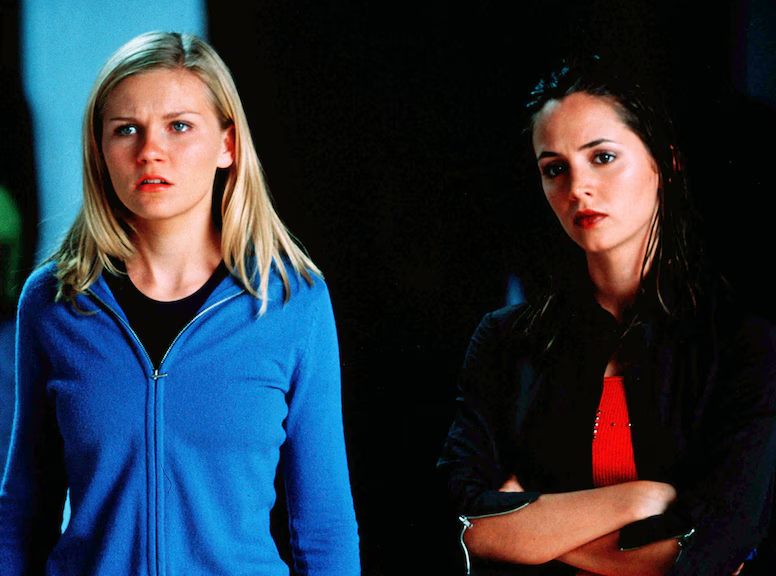
On-Set Secrets & Spontaneous Moments
10. Kirsten Dunst’s Teeth-Brushing Ad-Lib
The little “mouth shield” move Dunst does while brushing her teeth wasn’t in the script. Reed kept it in the final cut, telling DVD Journal it was “so natural it made you believe Torrance was a real person with morning breath.”
11. Why the Toros and Clovers Move So Differently
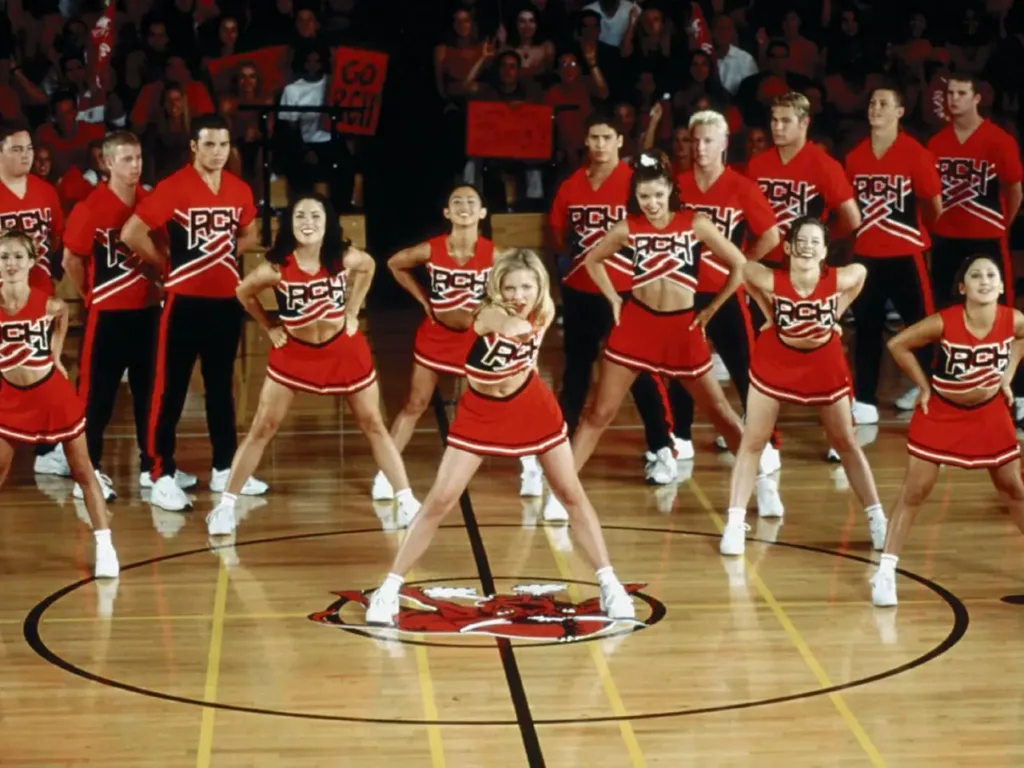
Anne Fletcher choreographed the Toros’ compact, high-school-comp style, while hip-hop choreographer Hi-Hat created the Clovers’ fluid, rhythm-driven routines. This intentional contrast mirrored real competitive cheer, where programs are judged on creativity and execution.
12. Breaking the Rulebook for the Big Screen
Some pyramids and basket tosses in the movie went beyond NFHS legality for high school teams. According to Reed’s commentary, the choice was deliberate to heighten visual drama, even if those moves would’ve been scored as deductions in real life.
13. Yes, the Spirit Stick Curse Exists
Every cheerleader who’s been to NCA Camp knows – the spirit stick superstition is real! and has been passed down for decades. Cheer Spirit Magazine (1995) documented stories of teams who blamed losses on mishandling their squad’s “lucky stick.”