There’s a time in every athlete’s life when change is unavoidable. It can be uncomfortable, awkward, and, for some, even a little scary. We’re talking about puberty.
The body’s transformation during puberty affects everything—from physical structure to performance on the mat. Girls begin developing more mature bodies, and boys grow taller and stronger. These changes often start between late elementary and early high school, and in cheerleading years, that’s most junior-level athletes.
Understanding how puberty affects performance is critical. Cheerleading depends on strength, flexibility, body composition, and quick muscle response. As the body changes, so must training methods—and sometimes, even team roles. For many athletes, this includes transitioning from flyer to base or backspot.
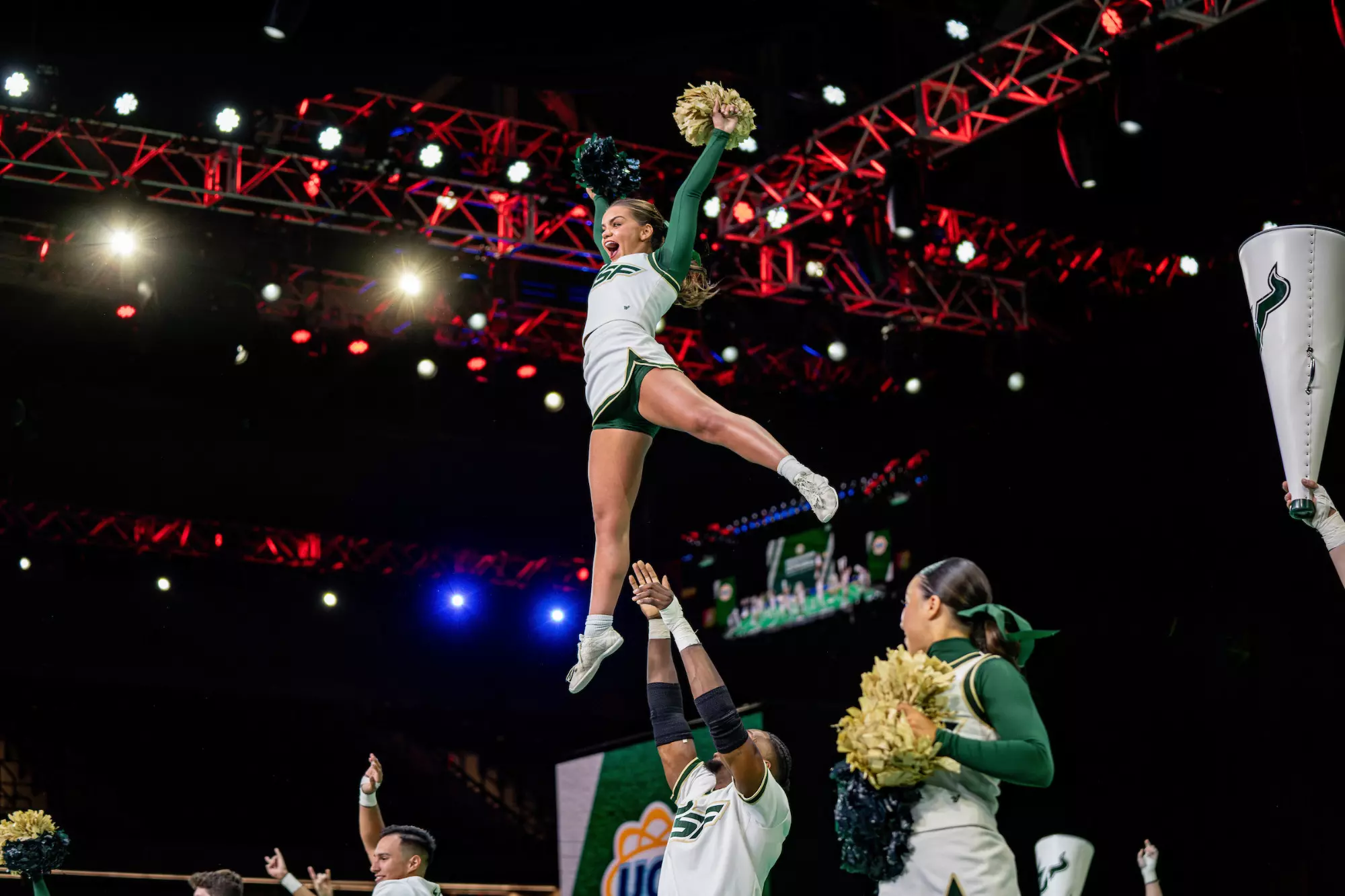
It’s common for post-pubescent flyers to be replaced by younger, lighter athletes. That shift can be hard. Some athletes begin to feel “too big” and struggle with self-image. The transition from flyer to base is one of the most emotionally and physically challenging changes many young cheerleaders will face.
That’s why it’s essential for coaches, teammates, and families to create an encouraging environment that fosters emotional wellness and celebrates evolving strengths.
Support Healthy Growth
As bodies mature, they require more care. Nutrition, hydration, rest, and consistent conditioning all become more important. Older athletes should focus on fueling their bodies with whole foods, drinking plenty of water, and prioritizing rest and recovery. Setting new goals—like becoming the strongest base or the top jumper—can help maintain motivation and focus. The role may change, but the impact doesn’t.
Flyers Make Strong Bases
Athletes with flying experience often become some of the best bases on the mat. Understanding what it feels like to be in the air makes them more intuitive, empathetic, and precise when stunting. They can identify what needs to be adjusted in a stunt and bring valuable insight to their group. Coaches should view former flyers as assets and help them lead from the ground with confidence.
Flying May Still Be in Your Future
Many high school and college teams don’t have ten-year-old flyers—flexibility and core strength matter more than age alone. Some programs have height or weight guidelines, but many do not. Athletes can maintain or rebuild their flying skills with private lessons, conditioning, and continued focus on body control. Even while basing now, flying may remain a possibility down the road.
Emotional Growth Matters Too
The emotional side of this transition cannot be overlooked. If an athlete is moved out of the air due to body changes, that conversation must be handled with care. Coaches and parents should highlight the athlete’s strengths and encourage continued growth in other areas. Open stunt practices, especially with older groups or college teams, can offer a fresh perspective and renewed motivation.
Love Yourself
Whatever your role—base, flyer, backspot, tumbler—you are essential. No stunt hits without every person doing their part. There is no hierarchy, no more or less important position. Remind yourself daily: you are strong, valuable, and talented.
The transition from flyer to base is not a demotion. It’s a shift, and one that reflects trust, growth, and leadership. Bases and backspots form the foundation of every routine. When you step into that role, you become the reason your team can rise.