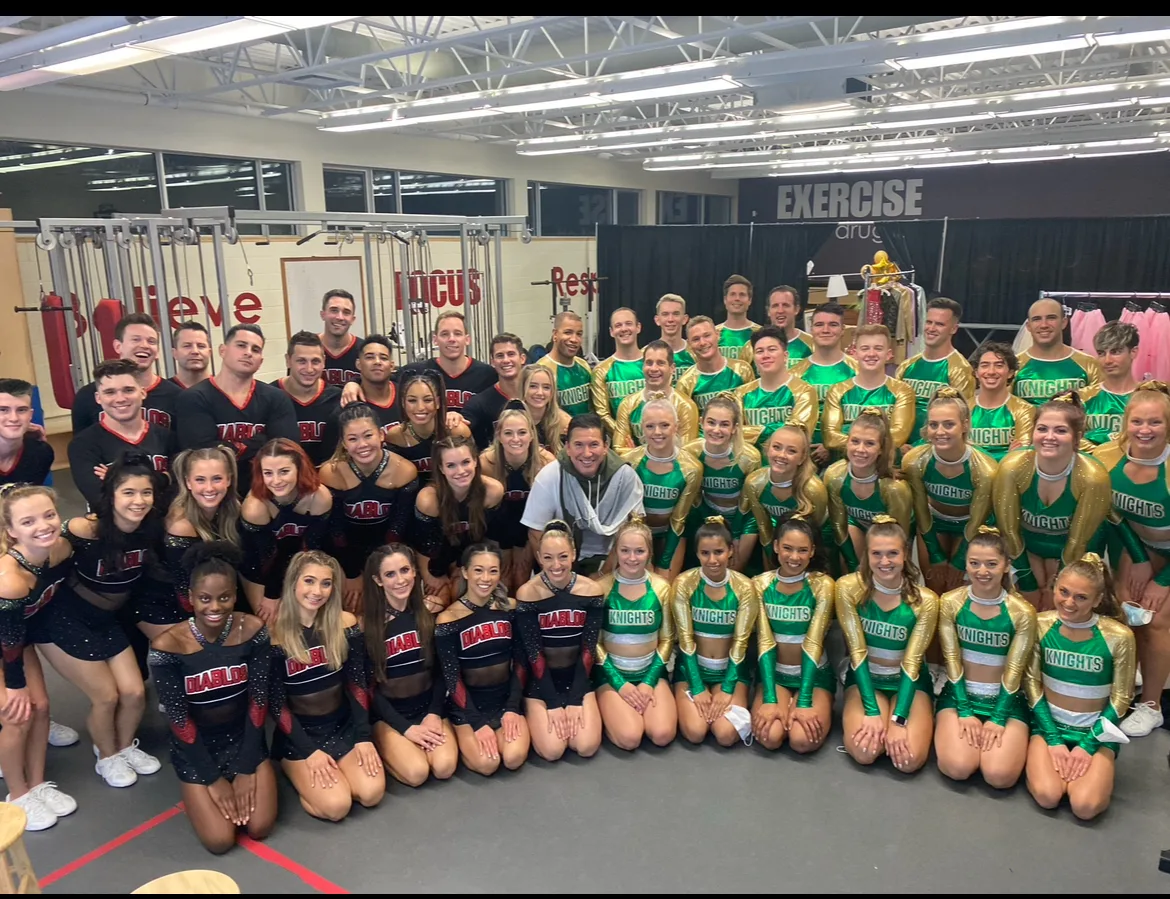
From no body doubles to behind-the-scenes truths, Tony Gonzalez reflects on Bring It On’s legacy 25 years later.
No doubles. No shortcuts. Just real cheer.
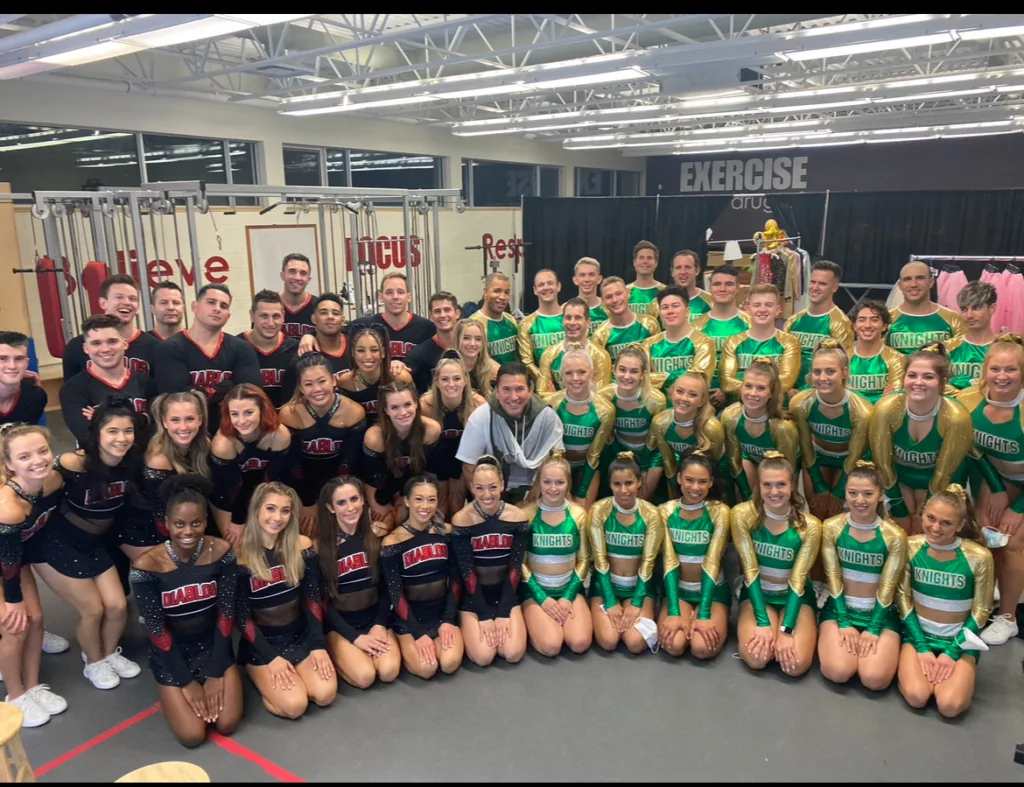
Tony Gonzalez helped raise the bar on cheerleading in film—not with the original Bring It On, but with the sequels that followed. As lead choreographer, he brought stunts that hit, actors who trained like athletes, and one ironclad rule: if you’re gonna do cheer on screen, make it real.
As the film turns 25, Gonzalez opened up to Cheer Daily about what the franchise got right, what needs fixing, and how the sequels became a masterclass in stunt authenticity.
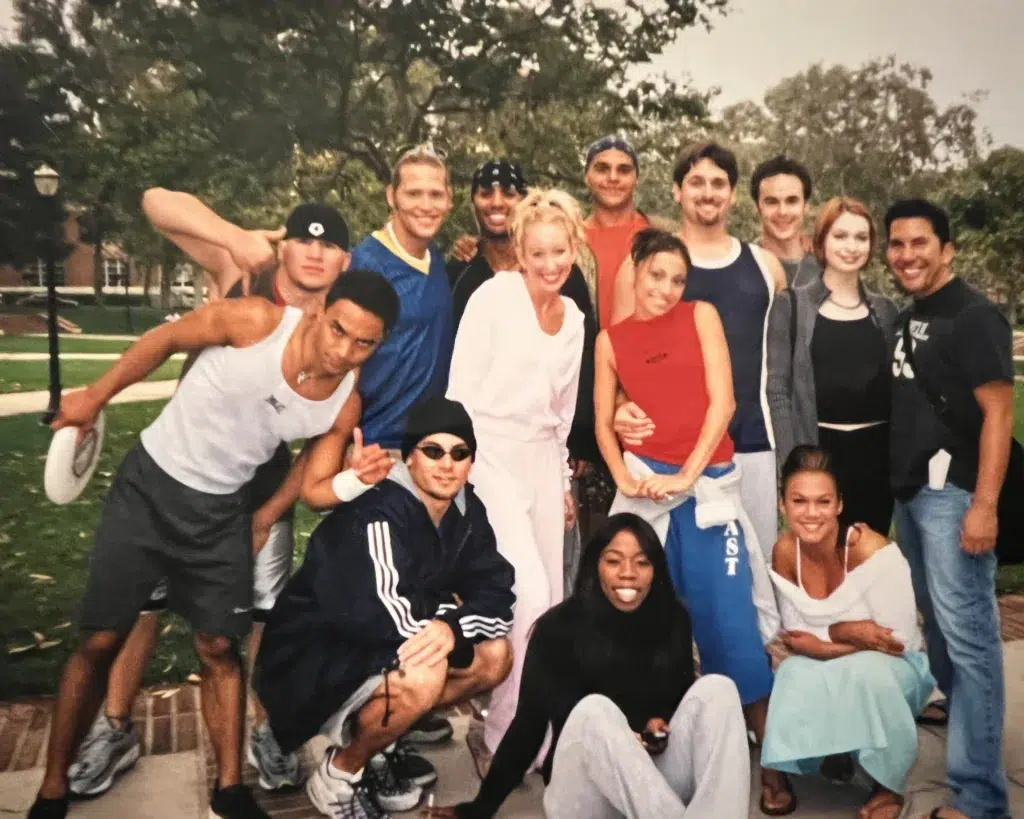
On Legacy Impact:
“Bring It On redefined cheerleading. It showcased the sport’s skill and impact, sparking growth and new perspectives in and out of the gym.”
While he didn’t choreograph the 2000 original, Gonzalez’s impact on the sequels helped turn the franchise into a true celebration of competitive cheer—and helped reframe public perception of the sport.
Why He Didn’t Work on the Original:
“Celebrating Bring It On turning 25 reminds me of how it spotlighted cheerleading, blending entertainment, comedy, and rising stars,” Gonzalez said.
“The actors brought their roles to life, and the cheerleaders brought real athleticism and hard work. If I could change one thing—it would be making sure those cheerleaders were properly compensated and recognized.”
But it wasn’t just about the paycheck.
“It was the lack of pay, but it was also the heart and excitement they brought to it,” he added.
“They stuck through it to elevate the world of cheerleading. Moving forward with Bring It On 2 through 7, I made sure the pay was where it needed to be. Everyone got paid the right standard.
And that shift? It didn’t happen by accident.
“I think the persistence and work ethic worked in my favor,” he said. “Finding the right talent—people who loved the sport—that’s what they wanted to see.”
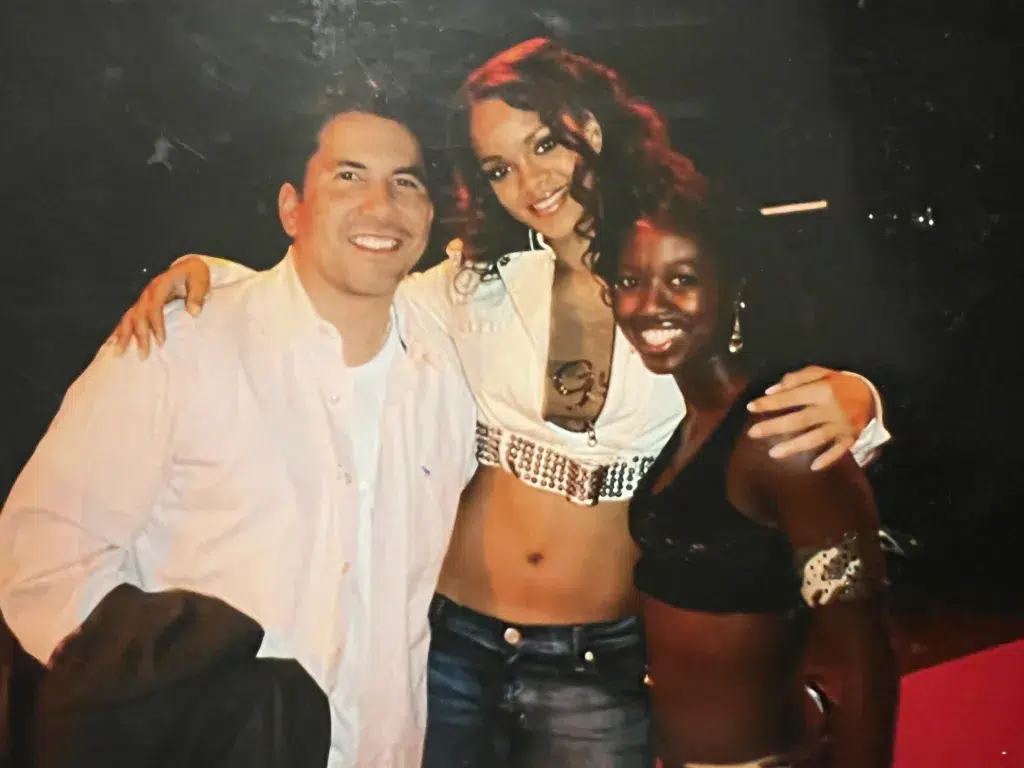
No Body Doubles—Ever:
“Bring It On [the original] had body doubles all over it,” Gonzalez explained.
“The franchise that followed? Doesn’t use a single body double.”
Gonzalez prioritized casting real talent—actors and athletes who could train hard and perform clean.
Pushing for Real Stunts:
“Even if some moves were out of context, they were essential to capturing the true essence of cheerleading.”
His goal was clear: elevate the visuals without faking the effort.
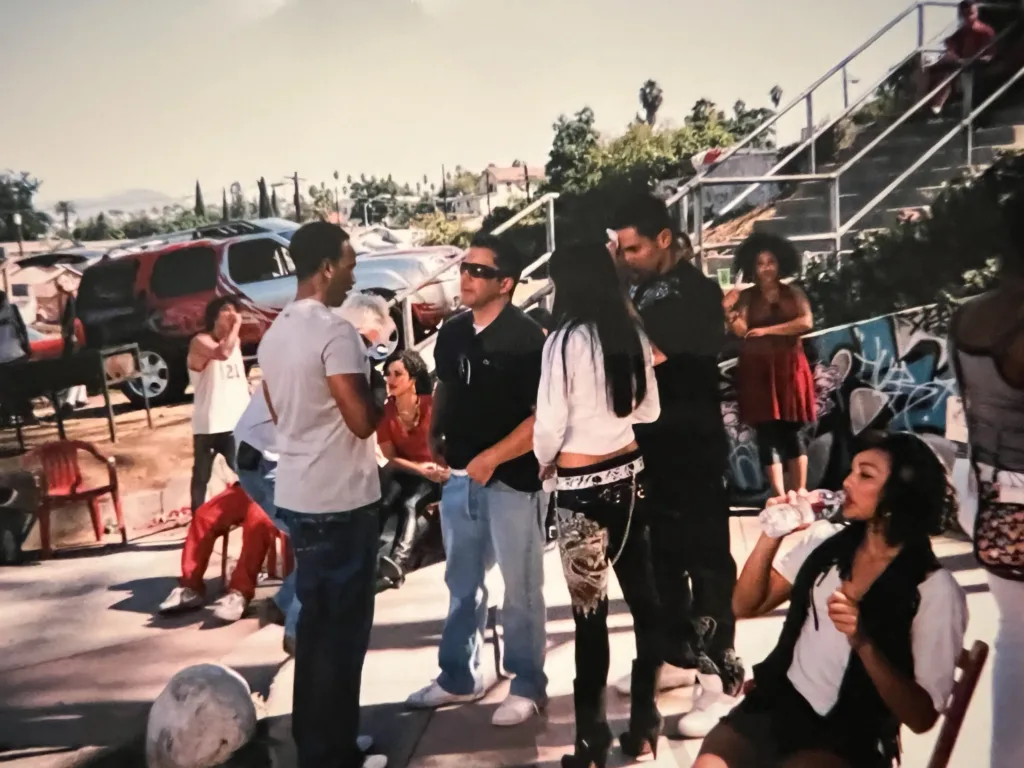
Training the Cast:
“We cast actors or athletes with dance and sports backgrounds,” he said.
“Training took time. But the goal was always to stay authentic and respectful to the sport.”
On How It’d Look in 2025:
“I’d stay true to cheerleading as a sport. It’s about elevating the skill while balancing creativity and safety.”

Final Word:
He didn’t choreograph the first Bring It On where the cheerleaders behind the scenes weren’t paid or credited like athletes—they were treated like extras. But when Gonzalez stepped in for Bring It On 2 through 7, he brought the receipts—literally.
He demanded proper pay. Fought for cheerleaders to be treated like the skilled professionals they are. And pushed for choreography that reflected the real athleticism of the sport.
“They stuck through it for the love of cheer. But moving forward, I made sure every athlete got paid what they deserved.”
Cheer isn’t background. Cheer isn’t filler. Cheer is the show. And thanks to Gonzalez, the sequels didn’t just entertain: they corrected the record. The Bring It On series catapulted cheerleading into the spotlight and led to documentaries, Netflix shows, and main stream notoriety.