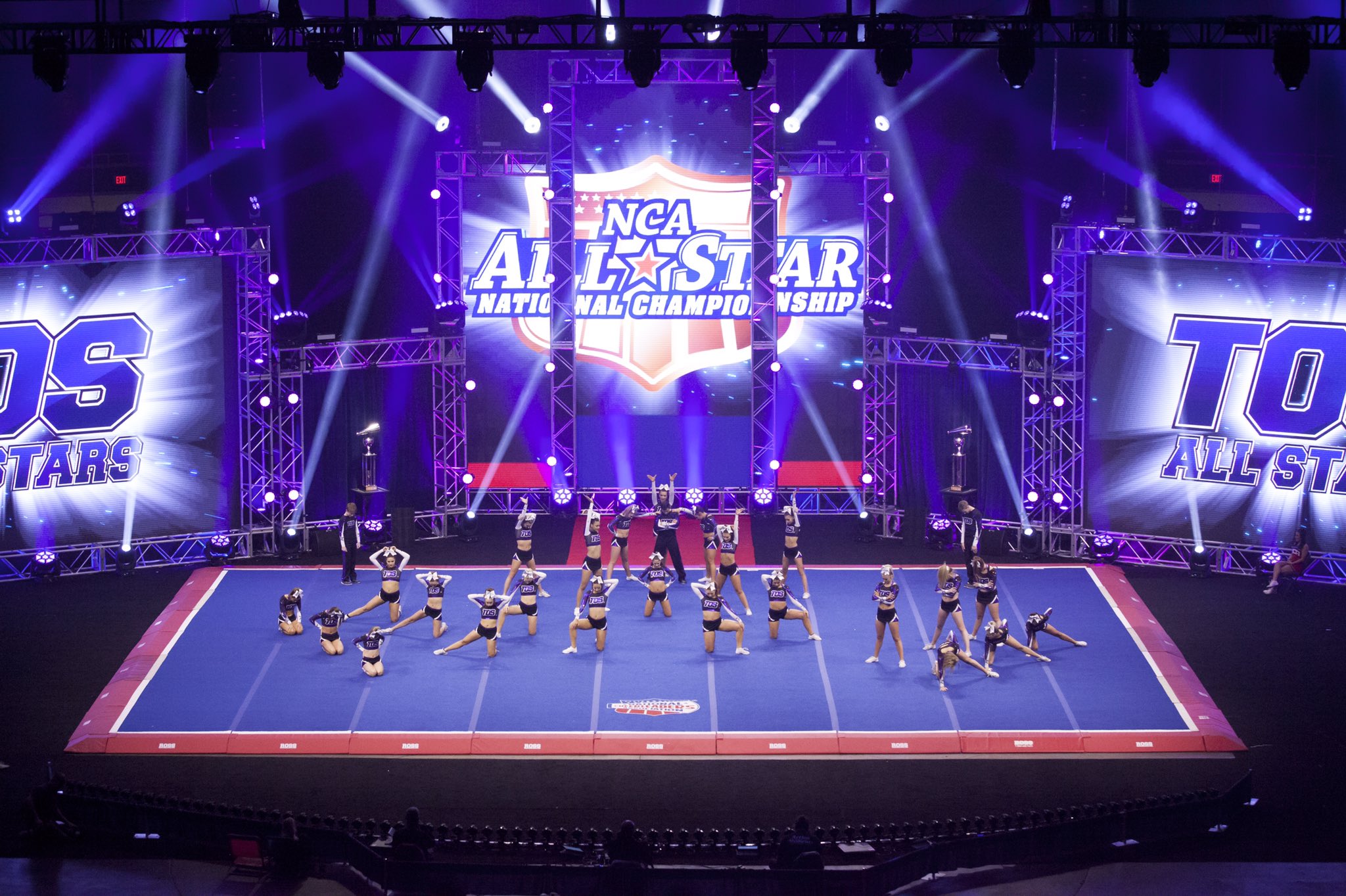
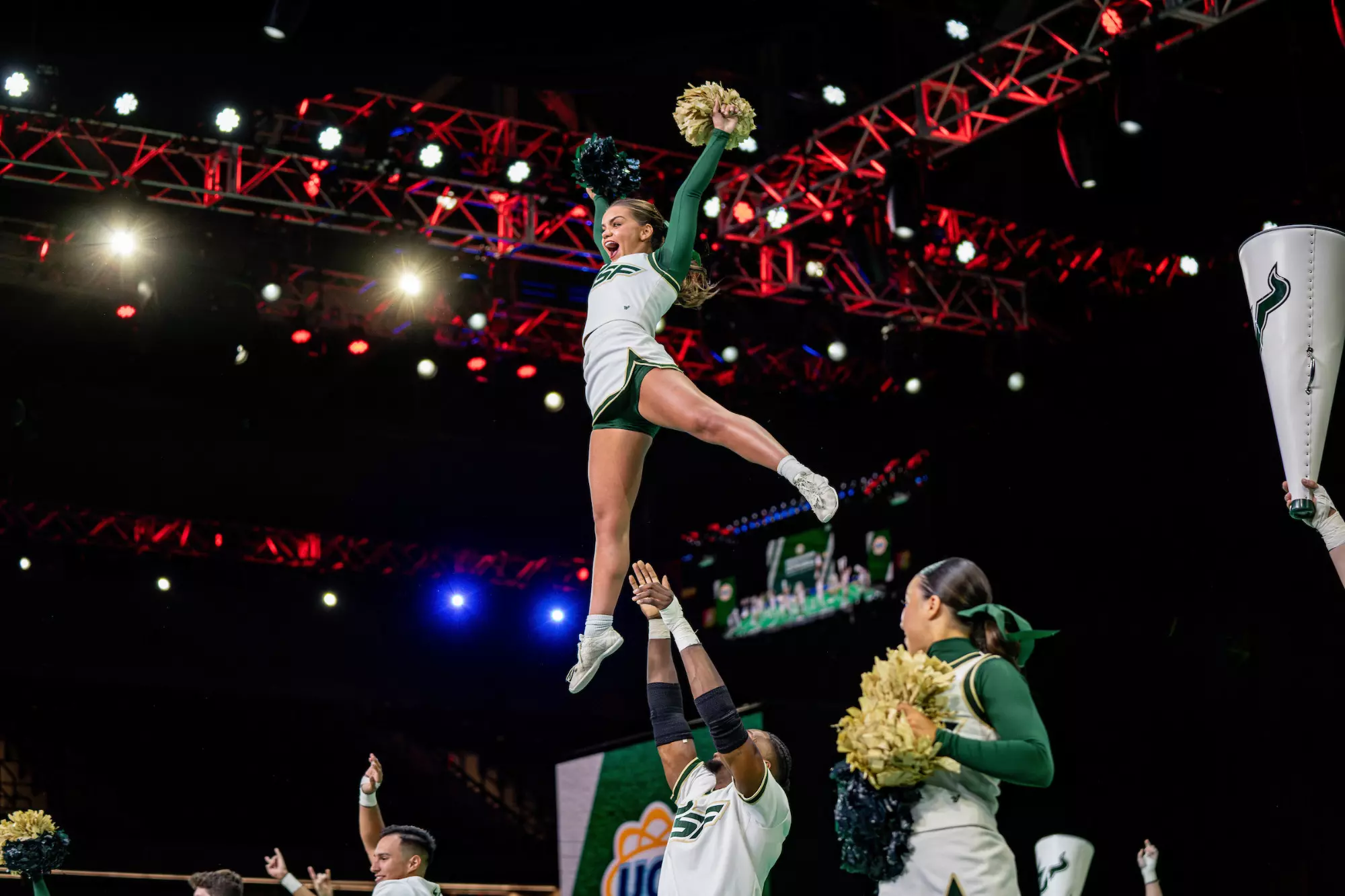
In a decision with lasting implications for cheerleading and the broader apparel industry, the Supreme Court of the United States ruled that certain two-dimensional design elements applied to apparel may qualify for copyright protection.
The ruling ends a years-long legal dispute between uniform manufacturers Varsity Brands and Star Athletica, centered on whether surface-level design features on cheerleading uniforms can be protected under U.S. copyright law.
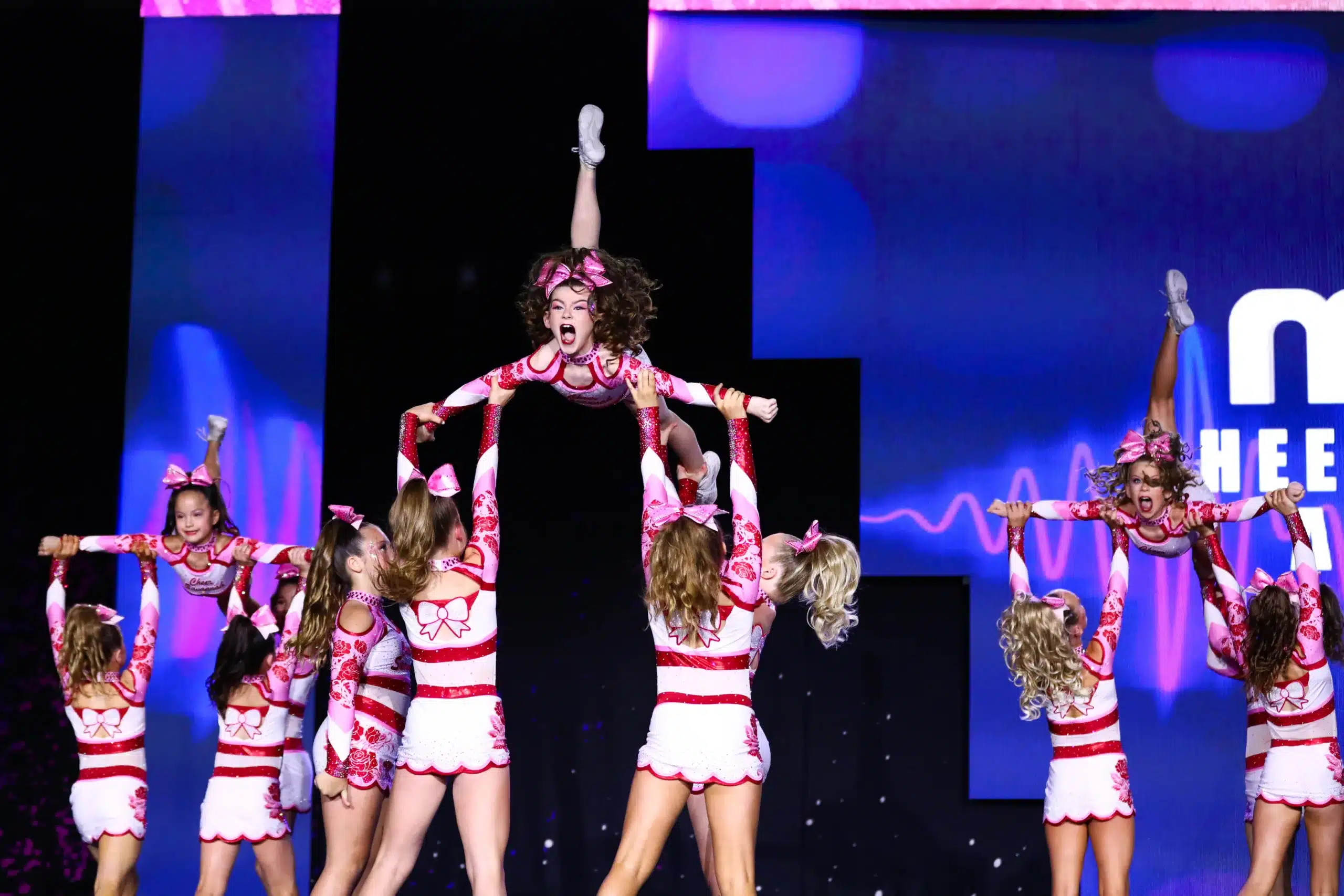
At issue were design elements such as stripes, chevrons, and color block arrangements that Varsity Brands claimed were copied by Star Athletica. Historically, apparel has been treated as a “useful article,” a legal category that limits copyright protection. Lower courts were split on whether uniform designs could ever qualify.
The Supreme Court clarified that distinction. The justices held that two-dimensional artwork applied to a uniform’s surface can be copyrighted if it can be conceptually separated from the garment itself and stand alone as an independent artistic work.
The Court was careful to define the limits of that protection. The cut, shape, and structure of a cheerleading uniform remain uncopyrightable. Only the surface artwork qualifies.
“The only feature of Varsity Brands’ cheerleading uniform eligible for a copyright is the two-dimensional applied art on the surface of the uniforms,” the Court stated. “Varsity Brands may prohibit the reproduction only of the surface designs on a uniform or in any other medium of expression. Varsity Brands has no right to prevent anyone from manufacturing a cheerleading uniform that is identical in shape, cut, or dimensions to the uniforms at issue here.”
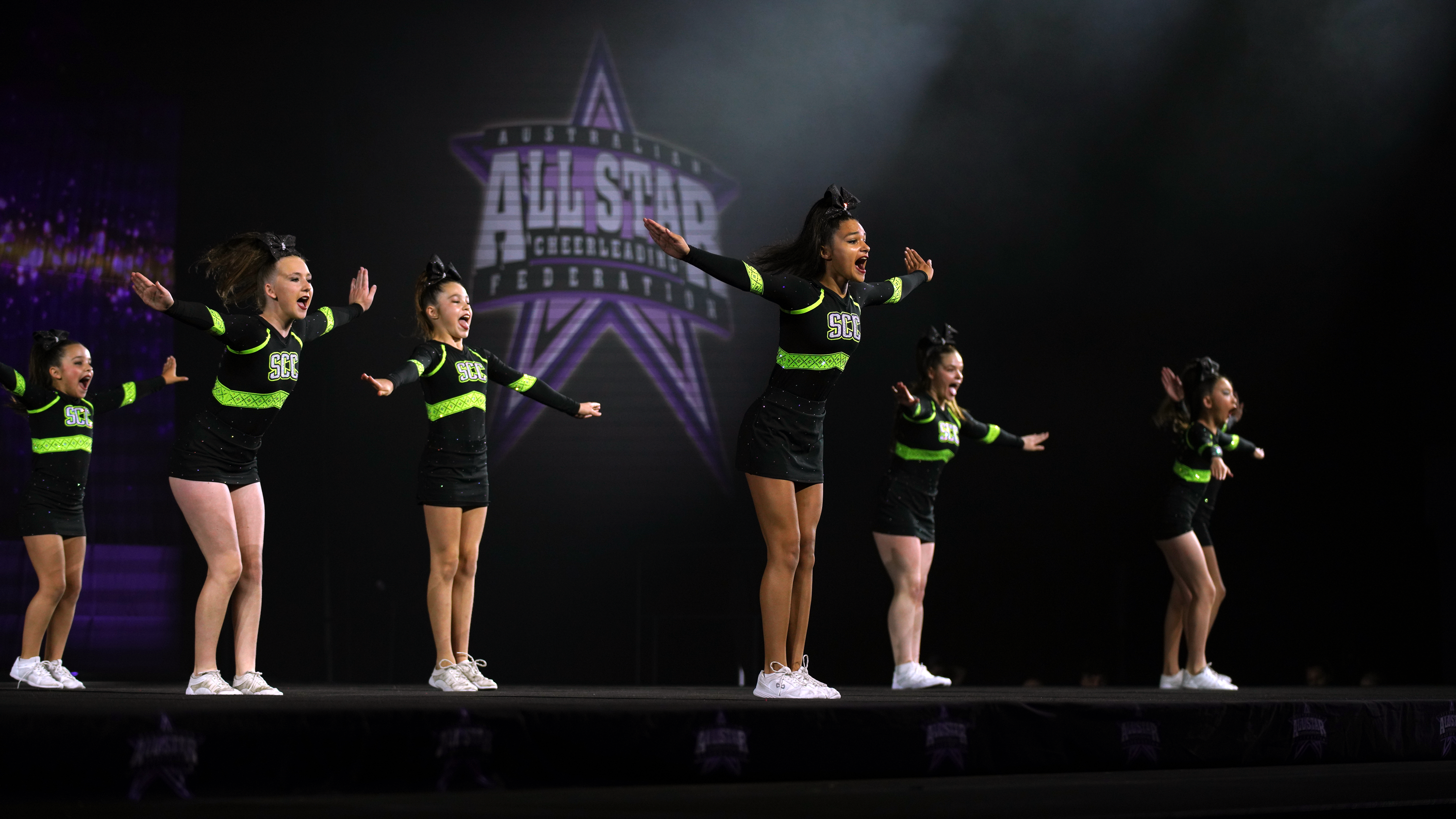
For cheer programs, coaches, and athletes, the ruling reinforces something already understood on the mat. Uniform design is not just functional. It is part of brand identity, program history, and competitive presentation. For manufacturers, the decision draws a clear legal line between creative design work and the underlying construction of a uniform.
The impact will likely extend beyond cheerleading. Fashion and athletic apparel companies now have a clearer framework for protecting graphic elements without claiming ownership over basic garment construction.
For cheerleading specifically, the decision affirms that the sport’s visual language, when original and distinct, carries legal weight.
Join the Cheer Daily community on social media for real-time cheer industry updates.